
Dam & Waterway Management
Better Water Quality Starts Within the Water Body
Water quality in dams, reservoirs and waterways can change with temperature, circulation, dissolved oxygen and environmental conditions. Solari Water and Energy develops aeration, mixing and oxygenation approaches around the water body, its condition and how the water will ultimately be used.
Water Quality Starts Within the Water Body
A dam or reservoir is a changing water environment, with conditions influenced by water depth, temperature, circulation, seasonal weather and the quality of incoming water. Dissolved oxygen can also vary throughout the water column, particularly where deeper water becomes separated from warmer surface layers.
These changing conditions can influence the quality of water held within the dam and how suitable it is for its intended use. Understanding what is happening within the water body — not simply at the surface — helps determine whether aeration, circulation, mixing, oxygenation or another treatment approach should form part of the overall water-management strategy.
Understand the Water Body
Assess the water source, depth, seasonal conditions and existing water-quality issues to understand what is happening within the water body before determining the most appropriate management or treatment approach.
Improve Water Movement
Circulation and mixing can help manage conditions within stored water by moving water through the water column, improving interaction between different layers and reducing areas where water movement is limited.
Manage Oxygen Conditions
Where dissolved oxygen is part of the water-quality challenge, aeration or oxygenation can introduce oxygen into the water while supporting circulation and more consistent conditions throughout the managed water body.
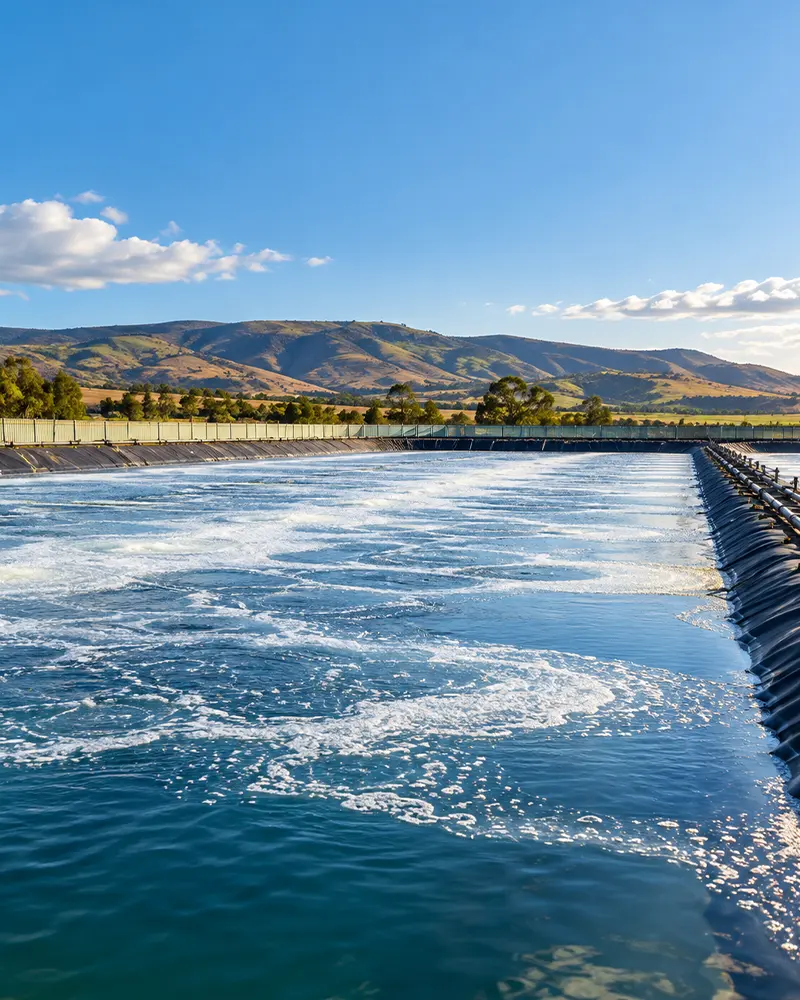
Aeration, Mixing and Oxygen Transfer
Water within a dam or reservoir does not always remain evenly mixed. Differences in temperature and depth can create distinct layers within the water body, while seasonal conditions, inflows and limited circulation can contribute to changing dissolved oxygen conditions between surface and deeper water. Managing these conditions requires an approach suited to the characteristics of the individual water body.
Moving Water Through the Water Column
Aeration and mixing can be used to create movement through the water column rather than allowing sections of stored water to remain poorly circulated. In deeper water bodies, this movement can also form part of an approach to managing stratification, where differences in temperature and density create separate layers within the water.
The way this is achieved depends on the depth, volume and physical characteristics of the water body. Solari Water and Energy considers these conditions when determining the type, location and role of aeration or mixing within the wider water-management system.
Supporting Dissolved Oxygen Conditions
Where dissolved oxygen is part of the water-quality challenge, aeration or oxygenation can be incorporated to introduce oxygen into the water while supporting circulation and gas transfer. Different technologies may be appropriate depending on the water body, existing oxygen conditions and the intended use of the water.
Rather than treating aeration as a standalone piece of equipment, the objective is to determine how oxygen transfer and water movement fit within the overall treatment requirement — from managing conditions within the water body through to preparing that water for its next use.
Different Water Bodies, Different Requirements
No two water bodies behave in exactly the same way. The size and depth of the water, how it is replenished, seasonal changes, surrounding land use and the way the water is ultimately used can all influence the conditions that develop. The appropriate management approach therefore needs to reflect the characteristics of the individual dam, reservoir, lake or waterway.
From Agricultural Dams to Large Reservoirs
Agricultural dams and stored-water reservoirs can vary considerably in scale and purpose. Some provide water for irrigation or livestock, while others form part of a larger treatment or production-water system. Water depth, storage time, incoming water quality and seasonal conditions can all affect circulation and dissolved oxygen within the stored water.
As the size and depth of the water body increase, the way water moves through it also becomes more important. Aeration, mixing or oxygenation systems need to be considered in relation to the volume of water being managed, the physical characteristics of the storage and the conditions the system is intended to address.
Lakes, Rivers and Larger Waterways
Lakes and larger water bodies introduce different considerations because water movement, depth and environmental conditions can vary significantly across the site. Rivers and waterways add another dimension, with changing flows and incoming water continually influencing conditions rather than the water remaining within a defined storage.
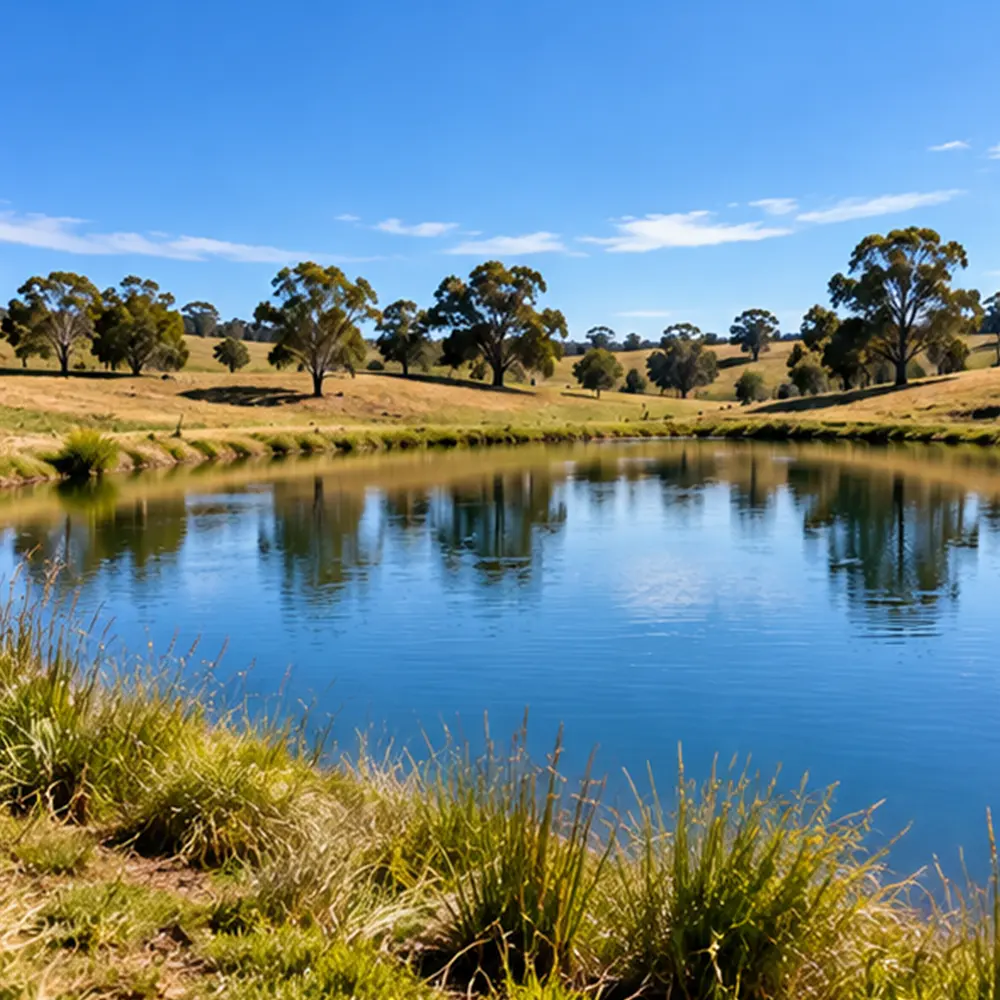
Evidence Across Raw Water and Larger Water Bodies
Solari’s supplied project and technical material provides practical examples of aeration and water-management approaches across raw-water and larger water-body applications. These resources show how the characteristics of the water source, water movement and intended use can influence the treatment approach.
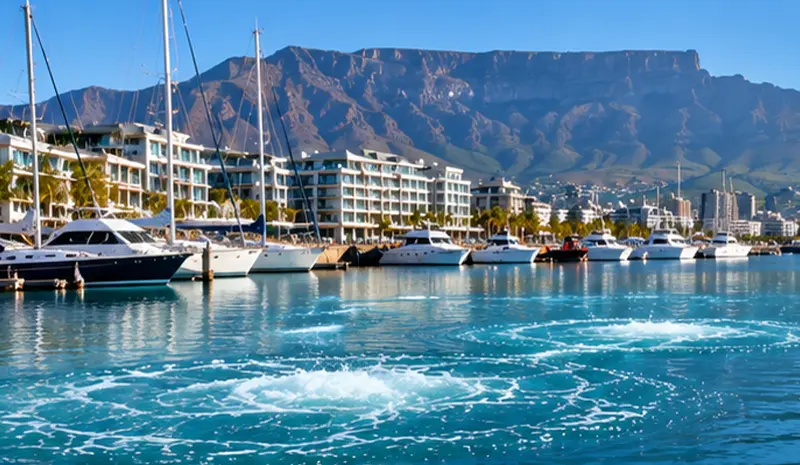
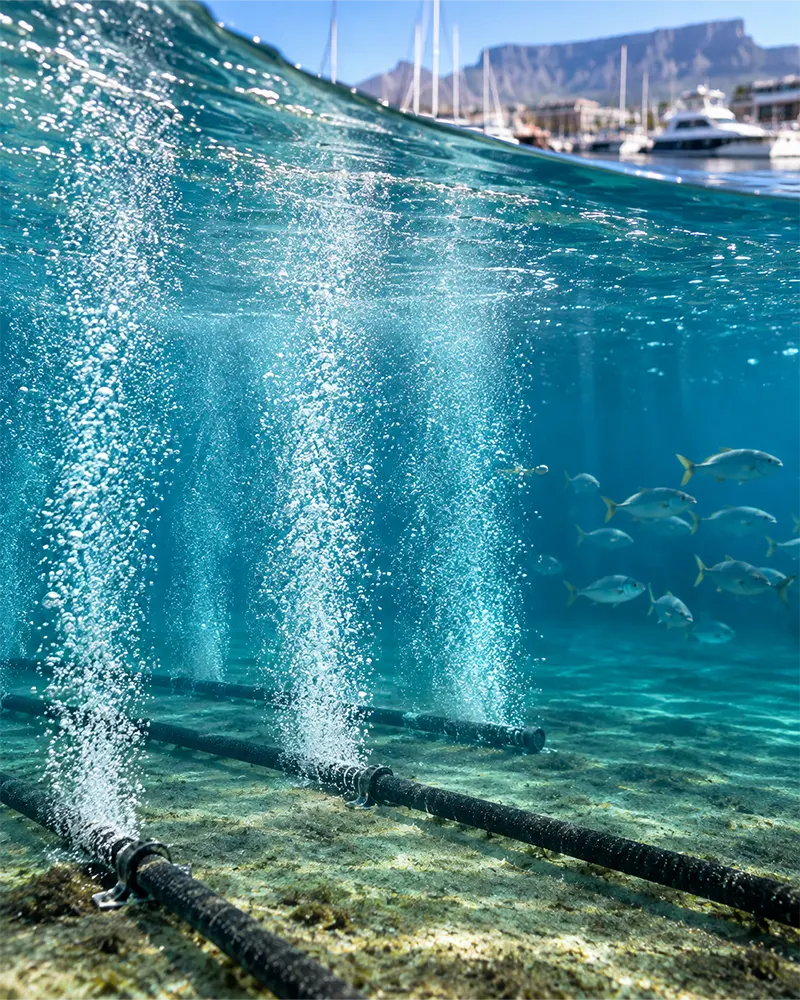
V&A Waterfront
Cape Town
Aeration of Large Water Basin
Following severe oxygen depletion within the yacht basin, fine-bubble air diffusers were installed throughout the water body to increase mixing and oxygen transfer. The project provides a practical example of aeration being applied across a large managed water environment.
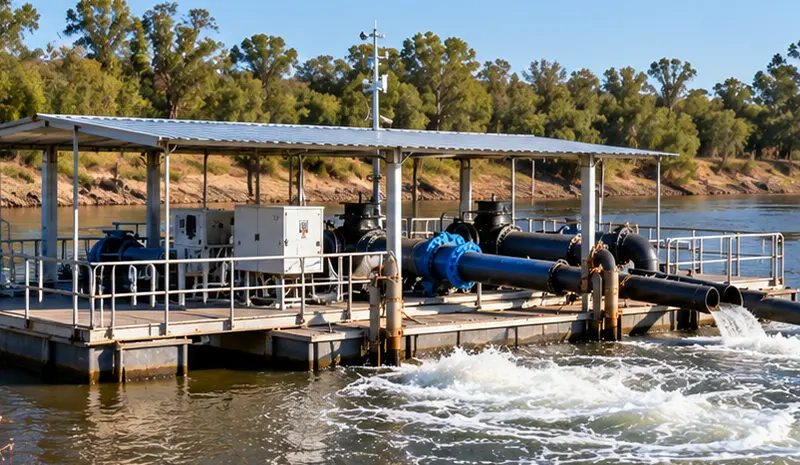
Macintyre River Boggabilla — NSW
Water Aeration at the Source
Aeration was incorporated into the Macintyre River raw-water intake as part of an upgrade to Boggabilla’s water supply. Positioned alongside the raw-water pumps, the system demonstrates how aeration can form part of managing source water before downstream treatment.
Technologies for Dams & Larger Water Bodies
Solari Water and Energy applies aeration and oxygenation technologies according to the size, depth and condition of the water body and the water-quality objective. Different systems can support water movement, oxygen transfer and circulation across dams, reservoirs and other managed water bodies.

MiniGaLF

Submersible Ultrafine Bubble Generator
In-Water Oxygenation and Circulation
Designed to operate directly within the water, the submersible system circulates water while introducing ultrafine bubbles. This makes it particularly relevant to stored water where treatment within the water body is required.

Nanobubble Pump Skid 737 / 747
Higher-Flow Oxygenation for Larger Systems
The 737 and 747 skid-mounted systems provide greater water movement and gas-transfer capacity for applications requiring higher-flow nanobubble oxygenation within larger water-management systems.
Aeration & Oxygen Supply

Industrial Oxygen Concentrators
On-Site Oxygen for Water Treatment Systems
PSA oxygen concentrators provide an on-site source of concentrated oxygen where an oxygenation system requires a dedicated gas supply. System capacity can be matched to the oxygen requirements of the treatment process.

Booster Oxygen Concentrators
Higher-Pressure Oxygen Supply
Booster configurations combine oxygen generation with increased delivery pressure, supporting treatment systems where the selected oxygenation equipment requires a higher-pressure gas supply.
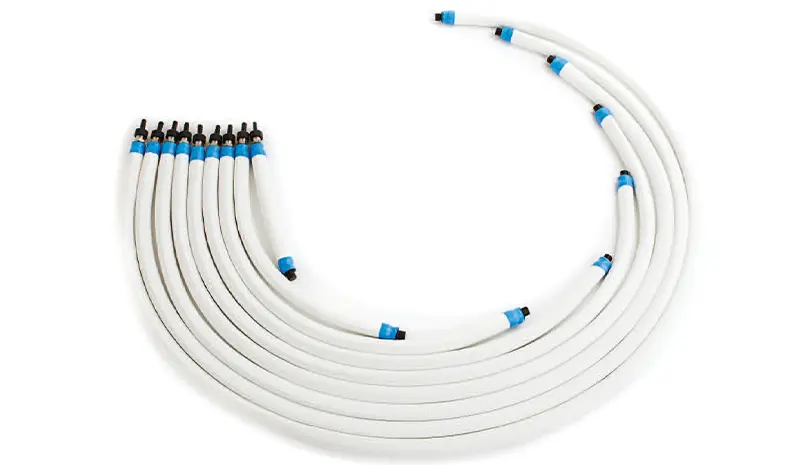
Solari Air Diffusers
Fine-Bubble Aeration for Dams & Reservoirs
Solari Air Diffusers provide fine-bubble aeration to support oxygen transfer, mixing and water circulation. Their flexible design allows diffuser configurations to be installed within dams, reservoirs and other managed water bodies.
Managing the Water Before It Reaches the Next Process
Managing a dam, reservoir or other water body is often only the first stage in a much wider water pathway. The water may ultimately supply irrigation systems, livestock, drinking-water treatment or other production requirements, each of which can place different demands on water quality and downstream infrastructure.
Preparing Water for Its Intended Use
Conditions within the source water can influence what needs to happen further downstream. Managing circulation and dissolved oxygen within the water body can form part of preparing that water for its next use, while additional filtration or treatment may be required once the water leaves the source.
The appropriate pathway depends on the condition of the incoming water and what is required at the point of use. Understanding both allows treatment processes to be considered in the right sequence rather than as isolated pieces of equipment.
From the Water Body to the Wider System
Solari Water and Energy considers how the source water connects with the infrastructure that follows it. Storage, treatment, pumping and distribution can all influence how water needs to be managed as it moves from the dam or waterway through the wider system.
By looking at the complete water pathway, technologies can be applied where they are most appropriate from managing conditions within the water body through to preparing and moving water for its intended use.
Better Water Management Starts With Understanding the Water Body
Every dam, reservoir and waterway presents different conditions. Understanding the water body, how it behaves and how the water will ultimately be used is the first step towards determining the right aeration, oxygenation or wider treatment approach.
Solari Water and Energy can assess the water source, operating conditions and intended use to determine how appropriate technologies can be integrated into the wider water-management system.