
Filtration Systems
Remove What Shouldn’t Be in the Water
Solari Water and Energy designs filtration systems around the water source, application and required treatment outcome removing suspended solids, reducing turbidity and preparing water for more effective downstream treatment and use.
Filtration Designed Around the Water
Solari Water and Energy selects filtration around the characteristics of the source water, the application and the quality required for its intended use. Rather than treating filtration as a standalone process, we consider what needs to be removed, the demands of downstream treatment and how filtration fits within the wider water system. This allows each filtration stage to perform a defined role within a treatment approach designed around the conditions and operational requirements of the site.
Assess the Source Water
Understanding suspended solids, turbidity and other physical characteristics helps establish what filtration is required within the treatment process.
Select the Treatment Approach
Different water conditions call for different filtration stages. The objective may be solids removal, finer polishing or preparation for subsequent treatment.
Integrate With the Wider System
Filtration can operate as one module within a broader treatment train, working alongside other technologies where the water-quality objective requires it.

Cleaner Water Starts With Effective Filtration
Filtration is one of the most important steps in improving water quality. Suspended solids, sediment, fine particles and organic material can affect water clarity, build up within equipment and create problems elsewhere in the system.
Solari Water and Energy selects filtration according to the water being treated and the quality required. This can range from removing larger suspended material through to finer filtration and polishing where a higher level of water quality is needed.
Protect Downstream Treatment
Removing suspended material before it travels further through the system helps reduce the load on pumps, pipework and other water treatment equipment. It also creates cleaner, more consistent conditions for any treatment processes that follow.
Create Better Conditions Across the System
Effective filtration does more than improve the appearance of water. By reducing unwanted physical material, it helps limit sediment and build-up, protect equipment and prepare the water for its intended use or further treatment.
This is the length I’d paste into that existing module. It also stays at the commercial-explanation level required by the project brief, rather than introducing unexplained technical language before the product detail.
Evidence in Real-World Treatment
Solari Water and Energy’s filtration experience spans municipal drinking water, industrial treatment and challenging wastewater applications. These projects demonstrate filtration working as part of complete treatment systems selected around the incoming water conditions and the quality required downstream.

Isisford, Queensland,
Municipal Water Treatment
At Isisford in Central West Queensland, Solari OV AFM filtration was installed at the town’s water treatment plant, replacing an older sand filtration system. The installation combined primary filtration with two OV AFM 700-series units for downstream polishing.

Square Pharmaceuticals
Process Water Pretreatment
At Square Pharmaceuticals, an existing pretreatment system was replaced with a process incorporating aeration, coagulation, ZPM mixing and AFM® filtration to protect downstream reverse-osmosis membranes and UV treatment from iron and biological fouling.

Stirling Landfill
Leachate Treatment
At Stirling landfill, AFM filtration formed part of a treatment process for challenging landfill leachate, working alongside biological treatment and aeration to improve water quality before downstream management.

AFM Water Filtration at Eskdale
Filtration for Drinking-Water Quality
The Eskdale project demonstrates the role filtration can perform. AFM filtration was applied as part of the treatment process, showing how filtration can support water-quality improvement where suspended material and filtration performance are important.
AFM® Filtration for Industrial Wastewater Treatment
See AFM® filtration applied as part of industrial wastewater treatment system in Bangladesh.
The case studies provide practical examples of how AFM® filtration can be integrated into a complete treatment approach, with footage following wastewater through treatment to the resulting treated water.
AFM Filtration in Practice
See AFM filtration technology applied across a range of real-world water treatment environments. This video brings together several case studies demonstrating how AFM has been incorporated into treatment systems to address different source-water conditions and operational requirements.
AFM Filtration at Square Pharmaceuticals
Square Pharmaceuticals in Bangladesh required improved groundwater pre-treatment ahead of its reverse osmosis and UV systems. The existing treatment process was experiencing issues including iron, arsenic, turbidity and microbiological contamination.
Explore the case study to see the treatment requirements, system configuration and specified water-quality targets for the pharmaceutical facility.
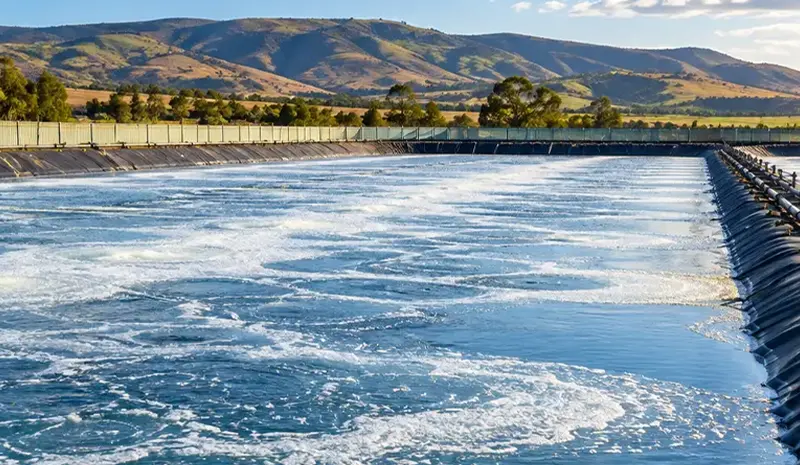
Landfill Leachate Treatment
At the Polmaise landfill site, a biological wastewater treatment plant was developed to treat landfill leachate. The project demonstrates how multiple treatment processes can work together where wastewater requires staged treatment rather than a single technology.
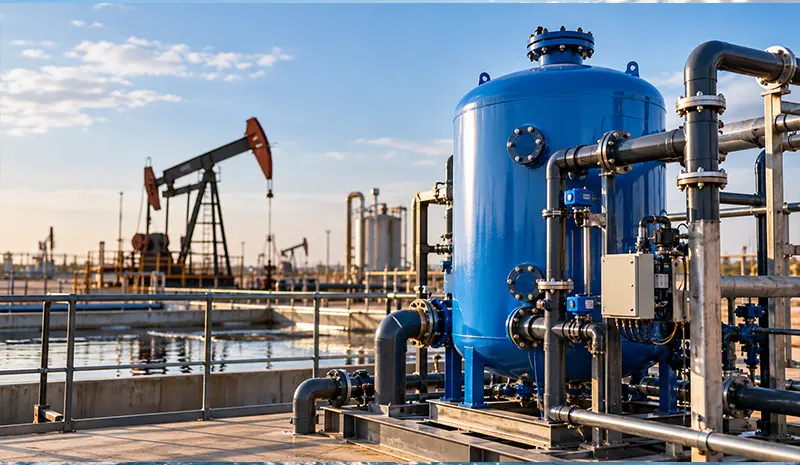
Oil Wastewater — China
OV AFM filtration has been applied across several supplied oil-wastewater projects in China. The intended endpoint was water reuse or reinjection, demonstrating the role filtration can perform as part of a broader wastewater treatment process.
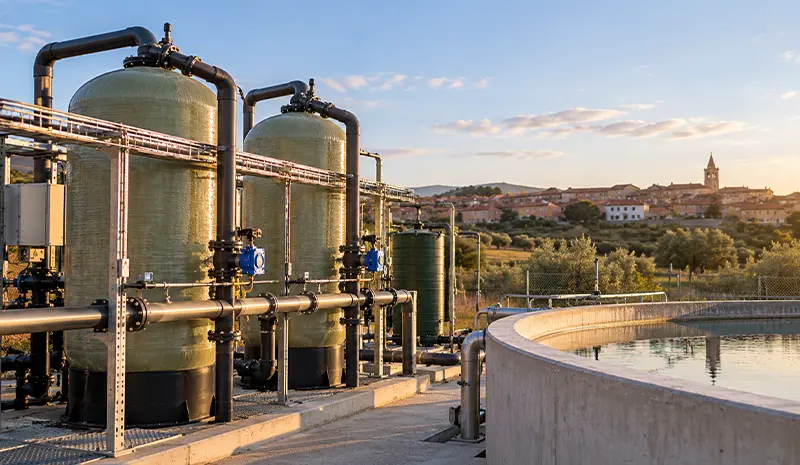
Herreruela — Spain
Groundwater from tube wells serving Herreruela and Carcaboso presented water-quality challenges associated with iron and arsenic. These naturally occurring constituents within the source water require targeted treatment before the water moves through the wider treatment pathway.
Filtration Technologies
for Real Conditions
The performance of a filtration system depends on more than the filter vessel itself. The media inside the filter determines how effectively particles are captured, how the filter responds to changing water conditions and how well it performs between backwash cycles.
Solari OV AFM Filtration uses AFM® Activated Filter Media from Dryden Aqua — an engineered filtration media developed as an alternative to conventional sand.
Why AFM® is Different
AFM® is manufactured from selected glass and activated through a controlled process that changes the structure and surface properties of the media. This provides a large active surface area for filtration while helping resist the biological fouling associated with conventional sand media.
Different AFM® grades perform different functions within the filter bed, allowing the media configuration to be matched to the filtration requirement. Depending on the application, this can provide effective removal of suspended solids and fine particles while improving water clarity and reducing the physical load carried further through the system.
Solari OV AFM Filtration
Solari Water and Energy incorporates AFM® within its OV filtration systems as part of a water-treatment solution designed around the source water and required outcome. The filtration stage can be configured for applications ranging from primary treatment through to finer water polishing, and integrated with other treatment technologies where the water conditions require it.

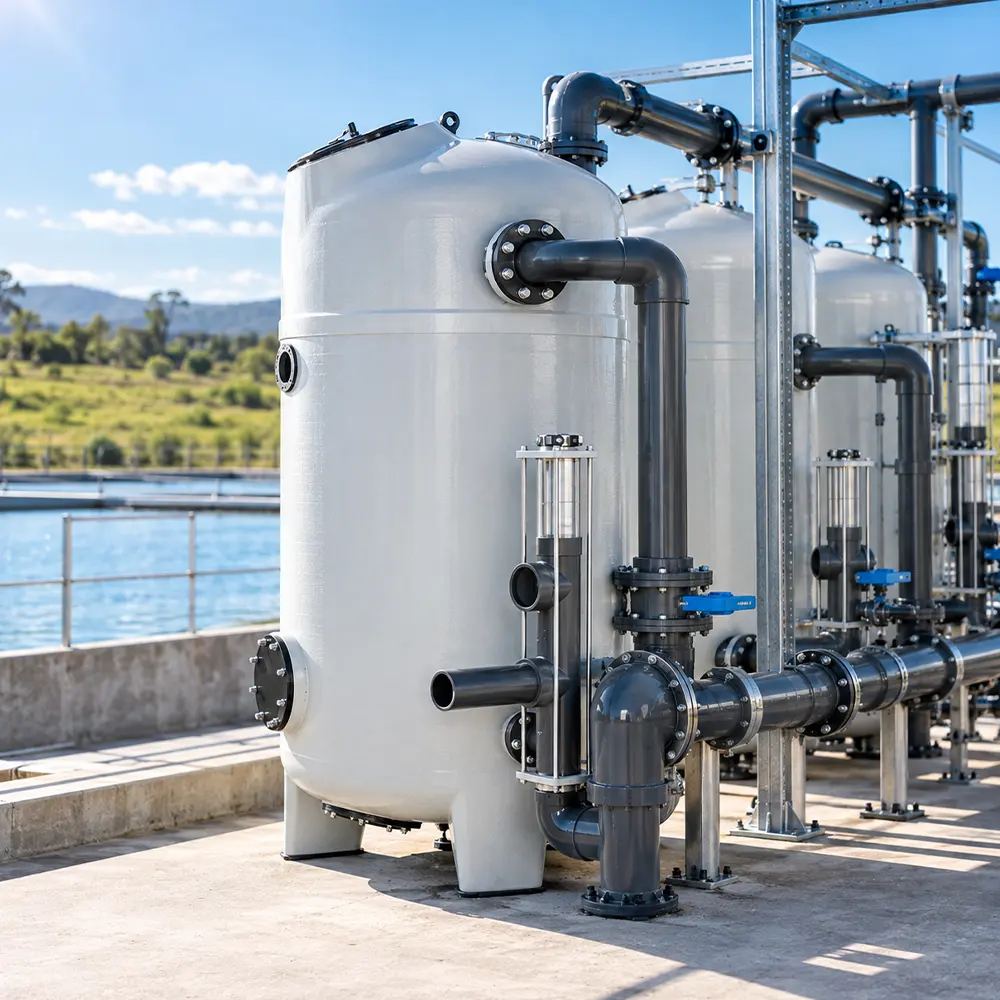
Engineered to Filter Finer
AFM® goes beyond conventional sand filtration. Its activated, biofouling-resistant surface provides a substantially greater filtration surface area while helping prevent bacterial growth, media clumping and channel formation within the filter bed. Different AFM® grades can be configured to provide progressively finer particle removal and reliable hydraulic performance between backwash cycles.

OV AFM Filtration
Remove fine suspended solids, reduce turbidity and provide effective water polishing. It can be configured for drinking, process and wastewater applications, with filtration selected around incoming water conditions and downstream treatment requirements.
Advanced Mixing.
Better Water Treatment.
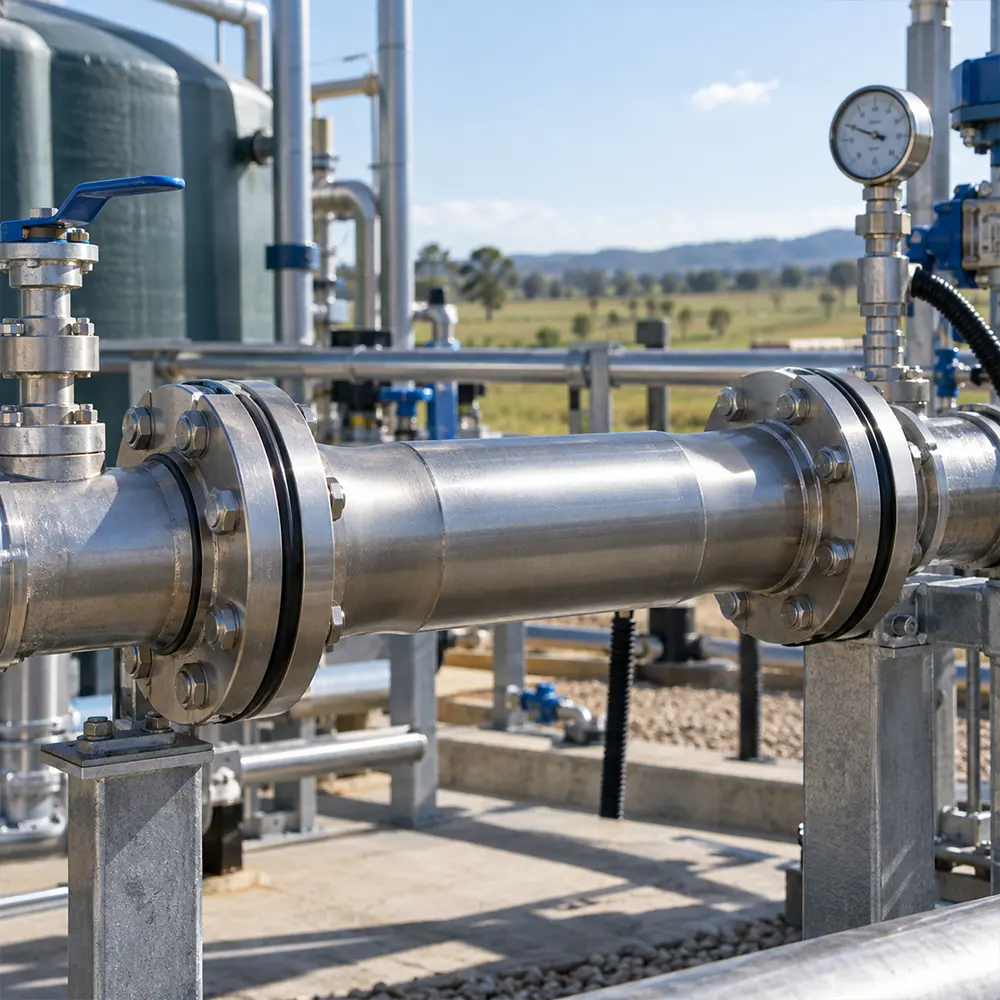
The ZPM (Zeta Potential Mixer) is an advanced in-line static mixer designed to intensify mixing, support coagulation and flocculation, and — at higher pressure differentials — generate cavitation within the water stream. Its engineered internal geometry creates controlled turbulence as water passes through the unit, improving contact between the water, suspended particles and introduced treatment products. Integrated into a treatment train, the ZPM can therefore improve chemical dispersion, encourage particle aggregation and prepare the water for more effective downstream filtration and treatment. With no moving parts within the mixer itself, it provides a compact way to introduce these treatment processes directly into the water flow. This makes the ZPM particularly valuable where effective conditioning ahead of filtration is critical. By improving the interaction taking place within the water stream before it reaches the filter, the ZPM helps create the conditions for downstream treatment stages to perform more effectively, rather than relying on filtration alone to manage the incoming water quality.
More Effective Coagulation & Filtration
The ZPM creates a highly turbulent mixing environment that improves the interaction between water, suspended particles and injected treatment products. By influencing zeta potential and promoting coagulation and flocculation, fine and dissolved material can be converted into particles that are more readily captured by downstream filtration.
Cavitation Adds Another Treatment Mechanism
When operated at the required pressure differential, the ZPM produces cavitation — adding a mechanical treatment effect beyond mixing alone. Dryden Aqua identifies applications including enhanced coagulation, disruption of algal and parasitic cell membranes, organics removal and efficient gas injection. The ZPM can be installed directly in-line or incorporated into a side-loop configuration depending on system flow and design requirements.

Supporting Filtration
with Effective Mixing
Effective water treatment depends on creating the right conditions for each stage of the process. The ZPM provides a compact in-line approach to intensive mixing and water conditioning, helping improve particle interaction and prepare the water for more effective downstream treatment.

ZPM Static Mixer
The ZPM Static Mixer intensifies in-line mixing while helping control zeta potential to improve coagulation and flocculation ahead of filtration. At higher pressure differentials it can also generate cavitation, adding another treatment mechanism within a compact, maintenance-free in-line unit.
Z-Filter Sludge
Dewatering Systems
Continuous Solids Separation for Sludge and Wastewater
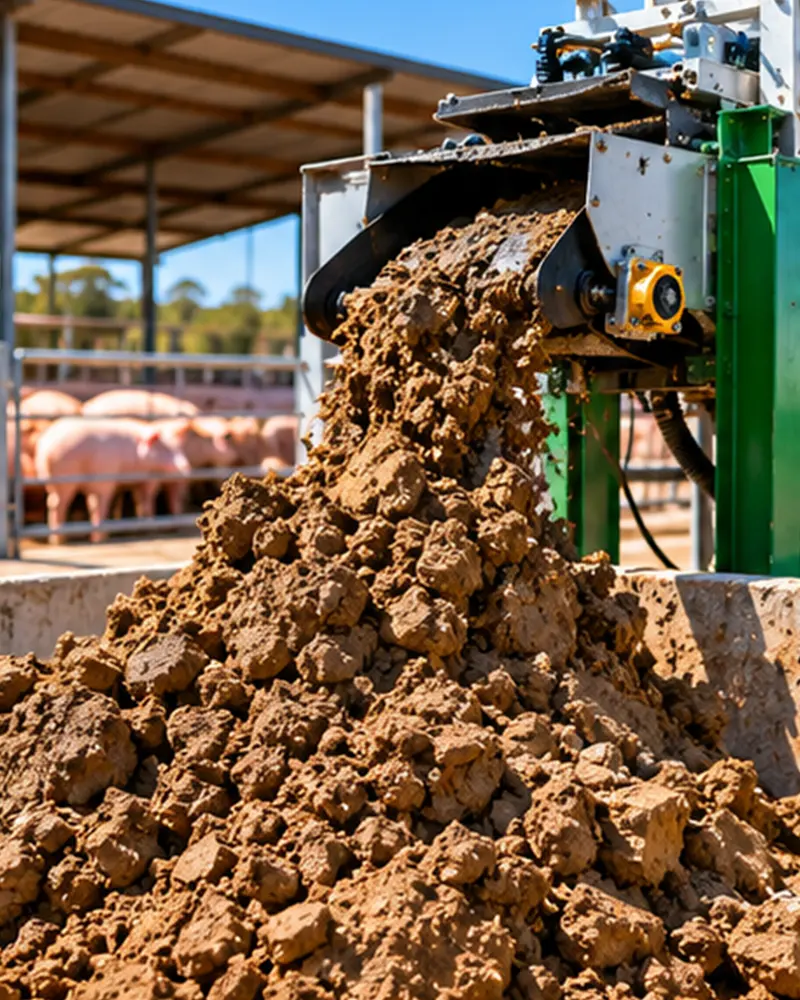
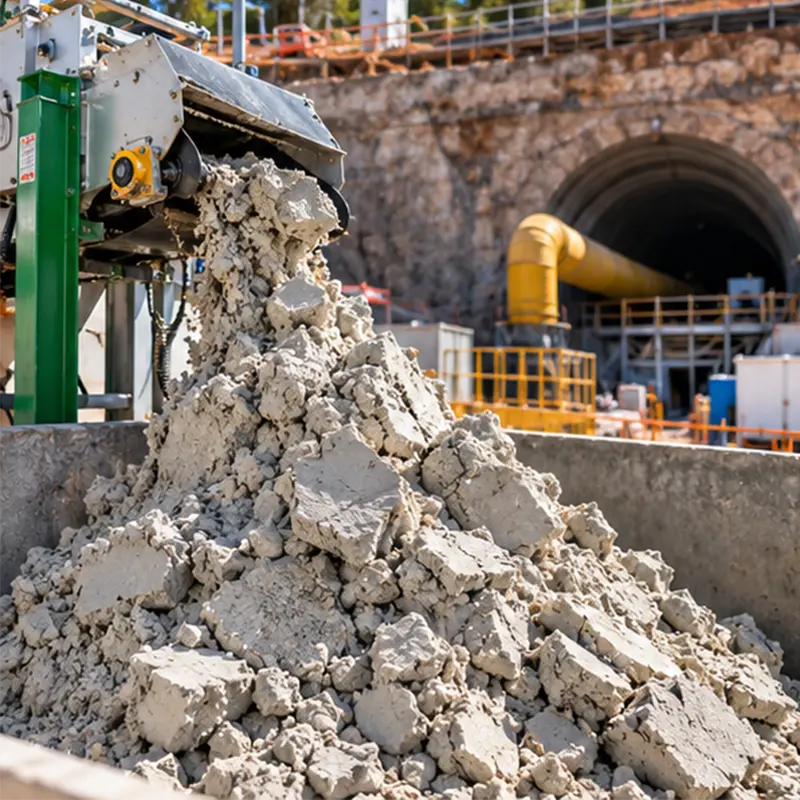
Z-Filter is a mechanical dewatering system designed to process sludge, slurry and solids-bearing wastewater. Rather than filtering water for final use, it separates liquid from suspended solids, producing a concentrated filter cake and a liquid filtrate that can be managed through subsequent treatment or disposal processes.
The continuous dewatering process is applicable to a range of waste streams, including agricultural effluent, municipal sewage sludge, industrial processing waste and construction slurry. By reducing the water content of sludge, Z-Filter supports more practical handling, transport and disposal of the separated solids.
Separating Solids from Liquid Waste
Z-Filter processes incoming sludge through a mechanical separation system, concentrating the retained solids while allowing separated liquid to discharge as filtrate. Depending on the characteristics of the waste stream, conditioning or flocculation may be incorporated to support the separation process.
The appropriate operating configuration depends on the incoming solids concentration, material characteristics and required treatment outcomes.
Proven Across Different Waste Streams
Documented Z-Filter applications include piggery effluent in Western Australia, dairy waste activated sludge in Victoria, sewage pond sludge recovery in regional Western Australia and tunnelling construction waste in Sydney.
These projects demonstrate the technology operating under different feed conditions, with recorded results for filter cake solids, filtrate quality and processing rates. Performance depends on the individual waste stream and operating conditions.
Support Wastewater Treatment with Dewatering
Z-Filter separates solids from sludge, slurry and effluent to produce a concentrated filter cake and separated liquid. Its continuous mechanical dewatering process supports more manageable waste handling across agricultural, municipal and industrial applications.
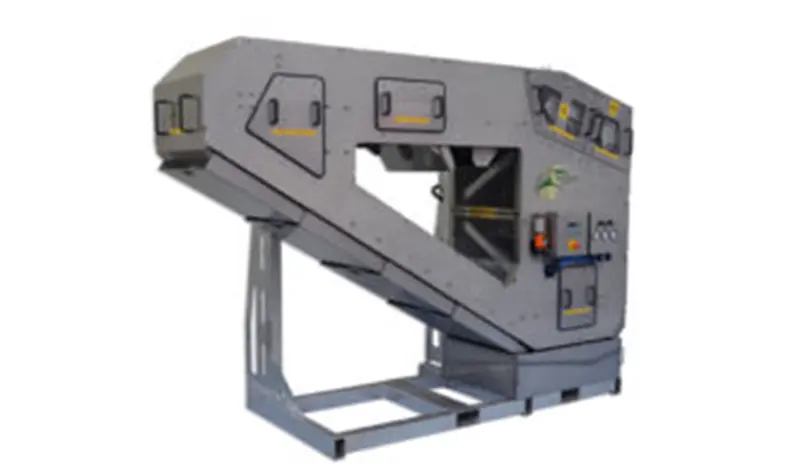
Z-Filter Dewatering System
The Z-Filter system is designed to process solids-bearing waste streams through continuous mechanical separation. Depending on the application, the resulting filter cake can be collected for transport, disposal or further management, while the separated liquid can undergo additional treatment where required.
Better Water Quality from the Start
Effective filtration begins with understanding the water, the operational demands and the treatment outcome required. Solari Water and Energy designs filtration as part of the wider water system — selecting and integrating treatment around the conditions on site.