
Poultry Production
Better Water for Poultry Production
Water is fundamental to poultry production, from the source supplying the farm through to the drinking system used by the birds. Water quality, treatment and reliable infrastructure all play a role in maintaining consistent operating conditions across commercial poultry operations.
Solari Water and Energy brings together practical water treatment technologies to address source-water quality, drinking-water treatment, dam management and the wider water infrastructure supporting poultry production.
Water Challenges in Poultry Production
Water moves through every stage of a poultry operation, from the source and storage through treatment and distribution to the birds. Managing water quality across that system helps support consistent drinking water, reliable infrastructure and effective farm biosecurity.
Drinking Water Quality
Variable source water, iron, suspended material and other water-quality issues can affect the consistency and suitability of drinking water supplied throughout a commercial poultry operation.
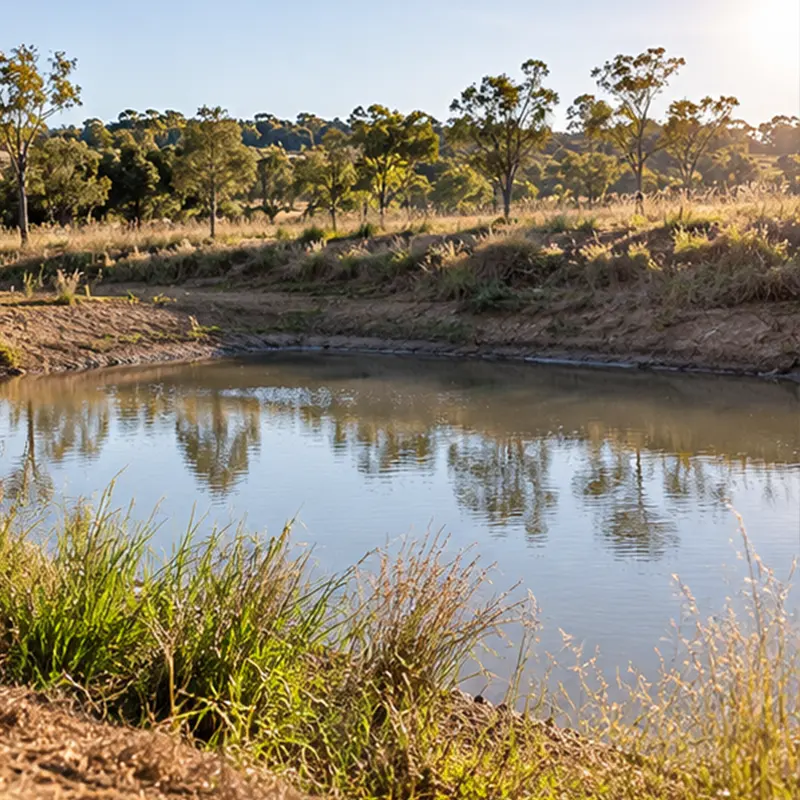
Dam & Source Water
Farm dams and other surface-water sources can experience changing conditions, contamination and water-quality issues that need to be managed before entering downstream treatment and drinking systems.
Biosecurity & Drinking Systems
Water treatment, sanitation and drinking-line management help maintain water quality through the distribution system and reduce water-related risks across commercial poultry production.
Iron, Sediment in
Poultry Drinking Water
Iron can be a persistent water-quality problem for poultry farms relying on bore water. As iron-bearing water moves through tanks, pipework and drinking infrastructure, it can leave deposits and discolouration and create an ongoing maintenance issue throughout the water system.
A Problem That Extends Beyond the Bore
Once iron enters the farm water supply, it can continue through storage and distribution towards the poultry sheds. Managing it earlier in the system helps prevent a source-water issue becoming a recurring problem further downstream.
Reducing Iron Before It Travels Further
The right treatment depends on the form and concentration of iron and the overall water chemistry. Solari can use nanobubble treatment for iron reduction, with OV AFM filtration incorporated where filtration of oxidised iron and other unwanted material is required.
Together, these technologies allow the iron problem to be addressed as part of the farm’s wider water-treatment system, before the water continues into drinking-water infrastructure.
Biofilm & Drinking-Line
Water Quality
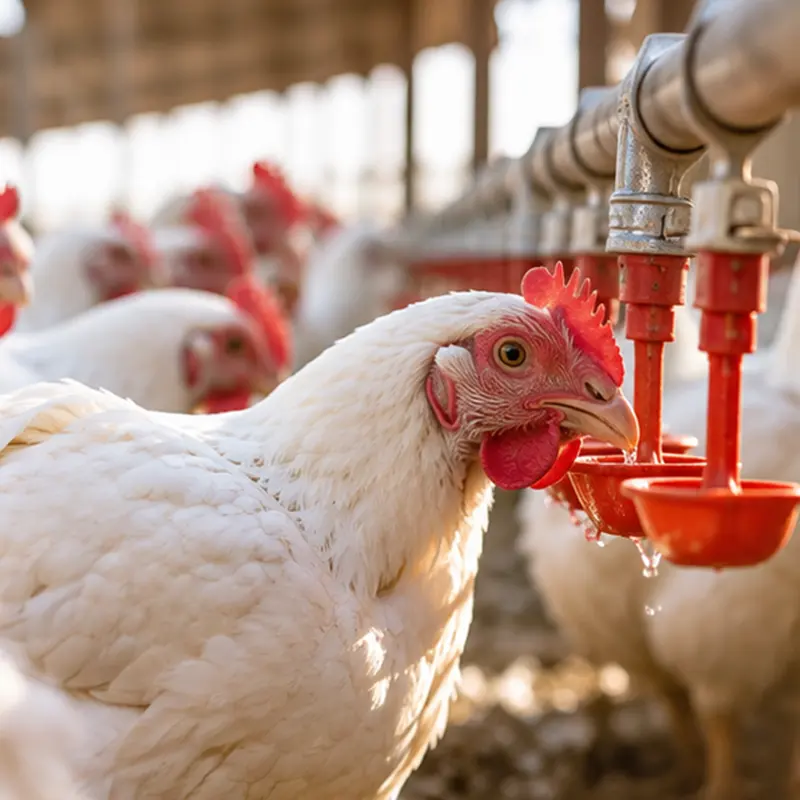
Water can leave the source in good condition and still develop problems as it moves through a poultry drinking system. Long pipe runs, low-flow areas and internal surfaces can provide conditions where biofilm develops within drinking lines.
A Hidden Problem Inside the Water System
Biofilm can build on internal pipe and drinking-line surfaces, making water quality within the shed a different issue from the quality of the incoming supply. That makes drinking-line management an important part of maintaining the farm’s water system.
Managing Water Through to the Birds
Treatment needs to consider the entire journey from source to drinker. Solari’s poultry mapping includes chlorine dioxide as a treatment option, allowing drinking-line water quality and sanitation requirements to be addressed as part of the wider poultry water system.
Maintaining water quality through to the drinker is particularly important because conditions within the distribution system can differ from those at the original water source. Managing the drinking lines as part of the overall water-treatment system helps address water quality where it ultimately matters, at the point the birds access it.
Water Biosecurity in
Poultry Production
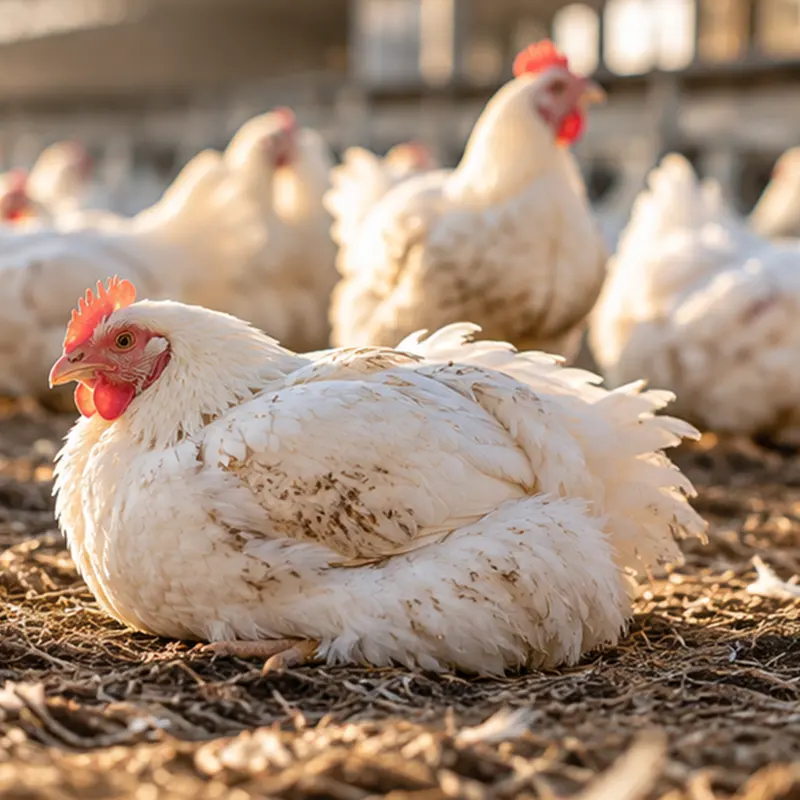
Water is one of the routes through which contamination can enter and move through a poultry operation. Where farms rely on surface water or other variable sources, protecting the drinking-water supply becomes an important part of the broader farm biosecurity program.
Reducing Risk Through the Water Supply
Contamination can also move beyond the source and into storage and distribution, making water biosecurity an issue across the whole supply system rather than at a single treatment point. Managing that risk before water reaches the sheds helps protect the quality of the drinking-water supply.
Treatment That Continues Through the System
Biosecurity does not stop at the water source. Treatment needs to consider storage, distribution and drinking lines so that water quality is managed through to the point where birds drink.
Solari can bring together filtration and chlorine dioxide treatment where appropriate, providing poultry producers with a water-treatment approach that supports the wider biosecurity measures already operating across the farm.
Oxygenated Drinking Water
in Broiler Production
Published poultry research has examined whether increasing oxygen levels in drinking water can influence broiler production. In a five-week study, 144 Ross × Ross broiler chicks were divided between tap water, hydrogenated water and oxygenated water treatment groups.
The oxygenated-water group received water containing 40–60 ppm oxygen, delivered through nipple drinkers. Under the experimental conditions, researchers reported statistically significant differences compared with the control group in final body weight, weight gain, feed intake and feed conversion.
The oxygenated-water group recorded a final body weight of 2,323 g compared with 2,167 g for the control group, while feed conversion was 1.48 compared with 1.67. These are research findings from the specific study conditions and should not be interpreted as guaranteed commercial outcomes.
What This Means for Poultry Water
The research provides evidence that the condition of drinking water including dissolved oxygen is worth considering alongside the broader water-quality requirements of commercial poultry production. Solari’s nanobubble oxygenation systems provide a practical way to introduce oxygen into water where oxygenation forms part of the required treatment approach.
Oxygenated Water — Broiler Research
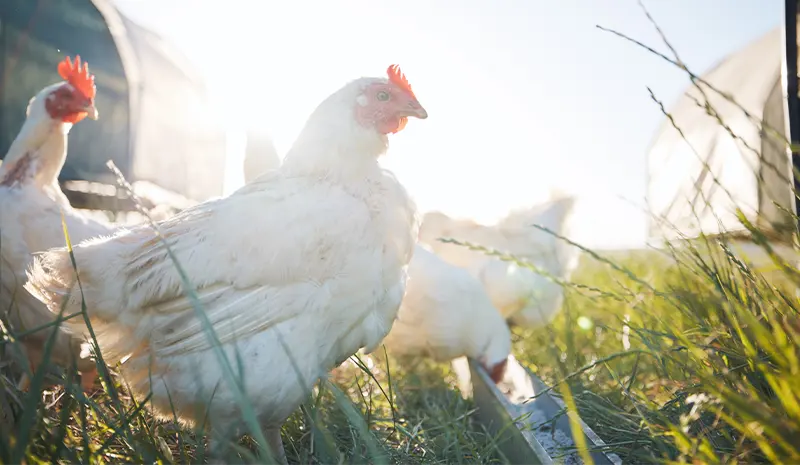
A published five-week study involving 144 broiler chicks compared oxygenated drinking water with conventional tap water.
Researchers reported significant differences in growth performance measures including final body weight, weight gain and feed conversion under the study conditions.
Technologies for Poultry Water Management
Different water problems require different treatment technologies. Solari Water and Energy can bring together filtration, oxygenation, sanitation and aeration according to the water source and requirements of the poultry operation.

Filtration for Poultry Water
OV AFM filtration can be incorporated where source water requires removal of suspended material and other unwanted particulate matter before moving through downstream treatment.

Nanobubble Oxygenation
Oxygenation & Iron Reduction
Nanobubble systems can introduce oxygen into poultry water for applications including drinking-water oxygenation and iron reduction.
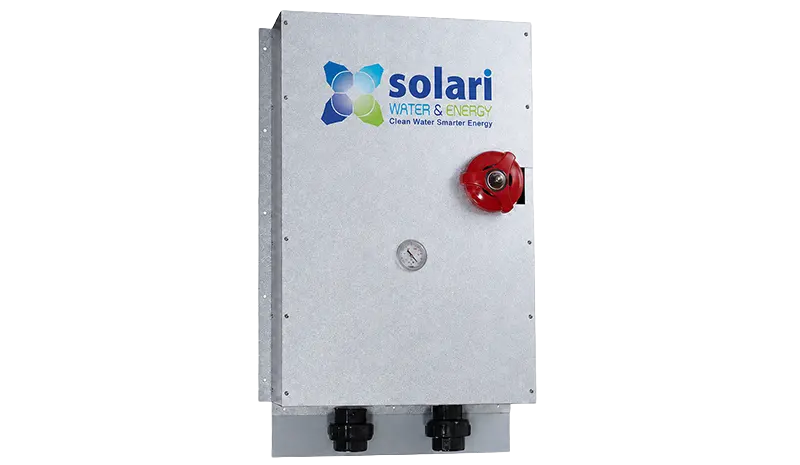
Chlorine Dioxide
Drinking-Water Sanitation
Chlorine dioxide can form part of the poultry water-treatment approach where drinking-water sanitation and management of the distribution system are required.
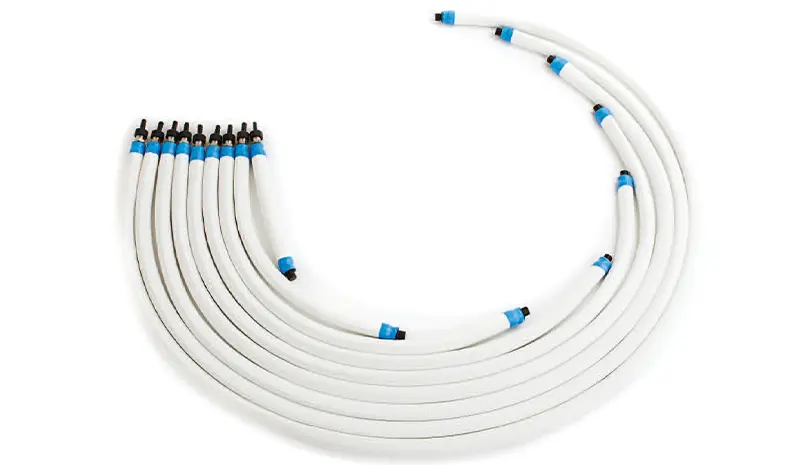
Aeration for Farm Dams
Air Diffusers
Where poultry operations rely on farm dams, air diffuser systems can provide aeration and circulation within the water body as part of managing source-water conditions.
Better Poultry Production
Starts With Better Water
From bore and dam water through to drinking lines, water quality needs to be managed across the whole poultry operation. Solari Water and Energy can develop a treatment approach around your water source, infrastructure and production requirements.