
Wastewater & Effluent
Treat the Water for What Happens Next
Wastewater and effluent can vary considerably depending on where the water comes from, what it has been used for and what needs to happen to it next. Solari Water and Energy develops treatment approaches around the characteristics of the wastewater and the required outcome — integrating filtration, solids separation, aeration and oxygenation where appropriate.
Wastewater Quality Depends on What Happens Next
Wastewater and effluent are not defined by a single set of conditions. Their characteristics can change according to the source, the processes the water has passed through and the contaminants or suspended material it carries.
Just as importantly, the required treatment depends on what needs to happen to the water afterwards. Understanding both the incoming water and the required endpoint helps determine which treatment stages are appropriate and how they should work together.
Understand the Source Water
Identify the source, existing water quality and the conditions affecting the wastewater or effluent. This establishes what needs to be addressed before selecting individual treatment technologies.
Address Treatment Requirements
Depending on the water, treatment may involve solids separation, aeration or oxygenation, filtration and polishing. Different processes can perform different roles within the overall treatment pathway.
Define whether the water is moving to further treatment, reuse, discharge or ongoing management. This helps determine the appropriate treatment approach from the outset.
Different Wastewater, Different Requirements
Wastewater and effluent can vary considerably depending on their source, what the water has been used for and what it carries. The appropriate treatment pathway therefore needs to reflect the characteristics of the individual wastewater stream and the outcome required.
Industrial & Process Wastewater
Industrial and process wastewater can contain suspended material, oils or other contaminants associated with the activity that produced it. Treatment may involve solids separation, aeration or oxygenation, filtration and polishing depending on the condition of the water.
The objective is to identify what needs to be addressed and apply the appropriate treatment stages before the water moves to its next process or destination.
Effluent & Leachate
Effluent and leachate can present different challenges, with water quality influenced by organic material, biological processes and the environment from which the water originates.
Understanding these conditions alongside the required endpoint helps determine which treatment processes are appropriate and how they should work together within the wider water-management system.
Water for Reuse or Discharge
Treating Wastewater as a Complete Water Pathway
Wastewater treatment is rarely about a single process or piece of equipment. Depending on the characteristics of the water and the required outcome, treatment may involve several stages working together to progressively address different water-quality requirements.
Different Processes Perform Different Roles
Solids separation, aeration, oxygenation and filtration each perform different functions within a treatment pathway. One stage may remove suspended material, while another supports oxygen conditions or provides further filtration and polishing before the water moves to its next stage.
The combination required depends on what is present in the wastewater and what needs to be achieved. Not every application requires every process, making it important to select technologies according to the actual treatment requirement.
Building the Treatment Pathway Around the Water
By starting with the wastewater and its required endpoint, the treatment pathway can be developed around the water itself — integrating the appropriate processes where they can perform a clear role within the wider system.
Treatment That Matches The Water
Wastewater treatment works best when each stage has a defined role within the wider pathway. The condition of the incoming water, the issues that need to be addressed and the required endpoint all influence which processes are appropriate.
Separate What Can Be Removed
Suspended material and other physical contaminants may need to be separated before the water progresses through further treatment. Removing this material can prepare the wastewater for subsequent treatment stages.
Manage Oxygen & Water
Aeration and oxygenation can form part of wastewater treatment where oxygen transfer, circulation or mixing is required. The appropriate approach depends on the characteristics and treatment needs of the water.
Filter & Polish the Water
Filtration can provide a further treatment stage after upstream processes have addressed larger or more readily separated material. Where required, polishing filtration can prepare the water for its next treatment stage, reuse or discharge.
Technologies Supporting Wastewater Treatment
Wastewater and effluent treatment can require several processes working together, depending on the incoming water and the required endpoint. Solari Water and Energy selects and integrates technologies according to the wastewater characteristics, the treatment stages required and what needs to happen to the water next.
Rather than treating one technology as the complete solution, each component performs a particular role within the wider treatment train.
Wastewater & Effluent Treatment in Practice
Solari’s supplied project material demonstrates how different wastewater streams can require very different treatment pathways. From landfill leachate to oil-contaminated wastewater, these projects show filtration, aeration and other treatment stages being applied according to the incoming water and required endpoint.
Landfill Leachate Treatment
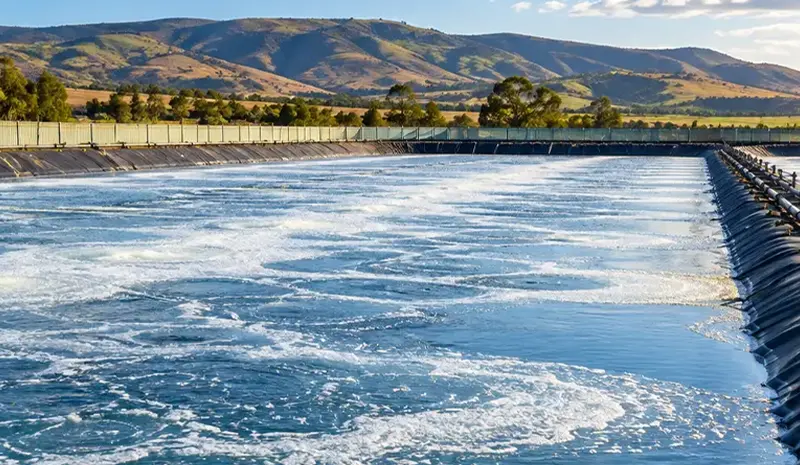
At the Polmaise landfill site, a biological wastewater treatment plant was developed to treat landfill leachate. The project demonstrates how multiple treatment processes can work together where wastewater requires staged treatment rather than a single technology.
Oil Wastewater — China
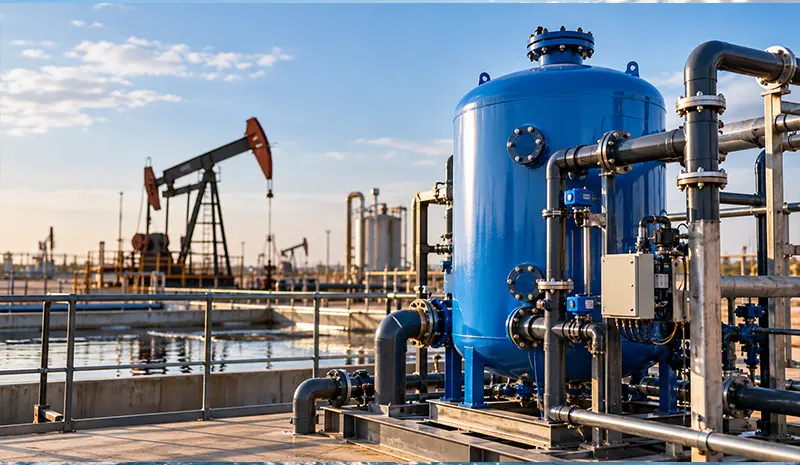
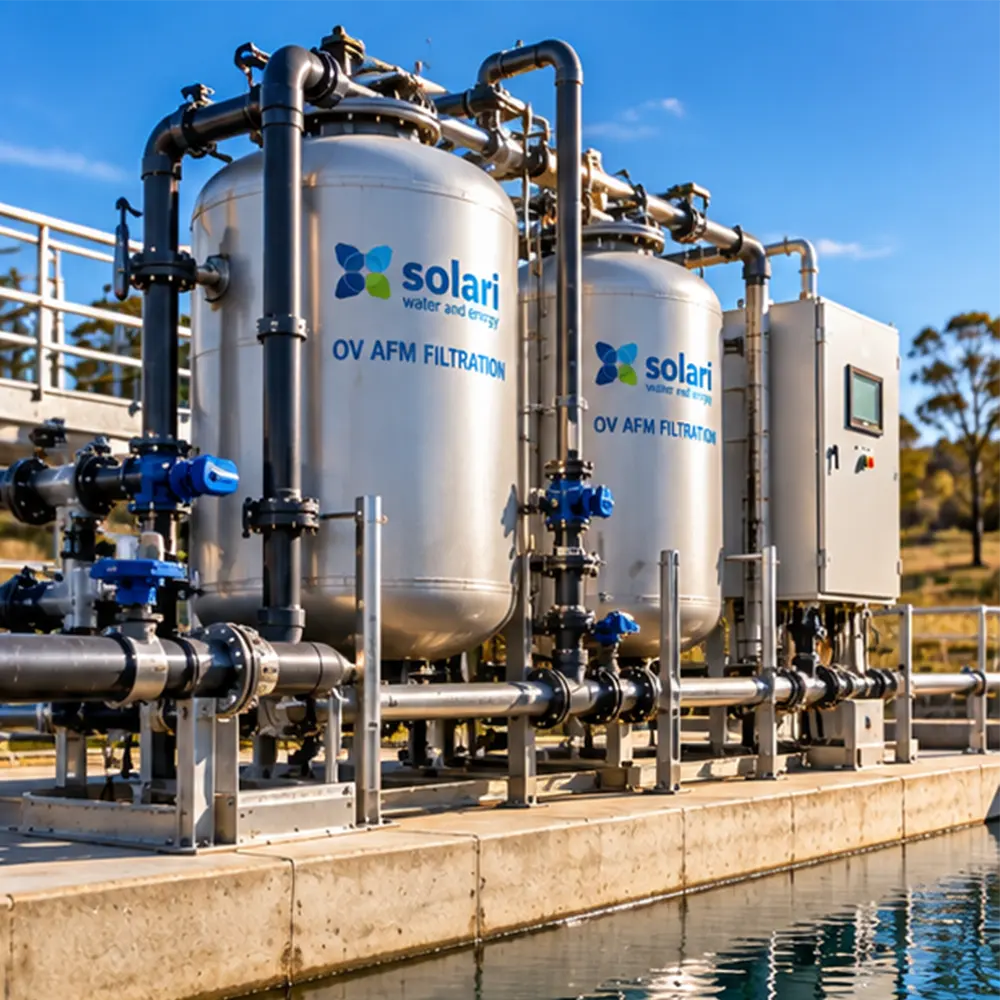
OV AFM filtration has been applied across several supplied oil-wastewater projects in China. The intended endpoint was water reuse or reinjection, demonstrating the role filtration can perform as part of a broader wastewater treatment process.
Aeration Within
Wastewater Treatment
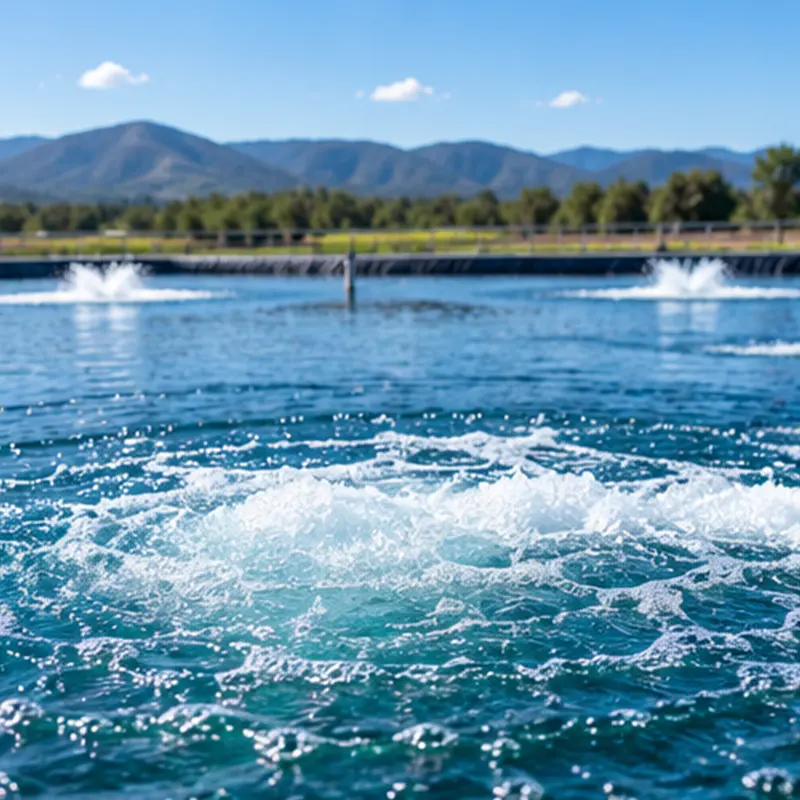
Aeration can perform an important role within wastewater and effluent treatment where oxygen transfer, mixing and water circulation are required. The appropriate aeration approach depends on the wastewater conditions, treatment environment and the role aeration needs to perform within the wider treatment pathway.
Solari Air Diffusers
Fine-Bubble Aeration for Wastewater & Effluent
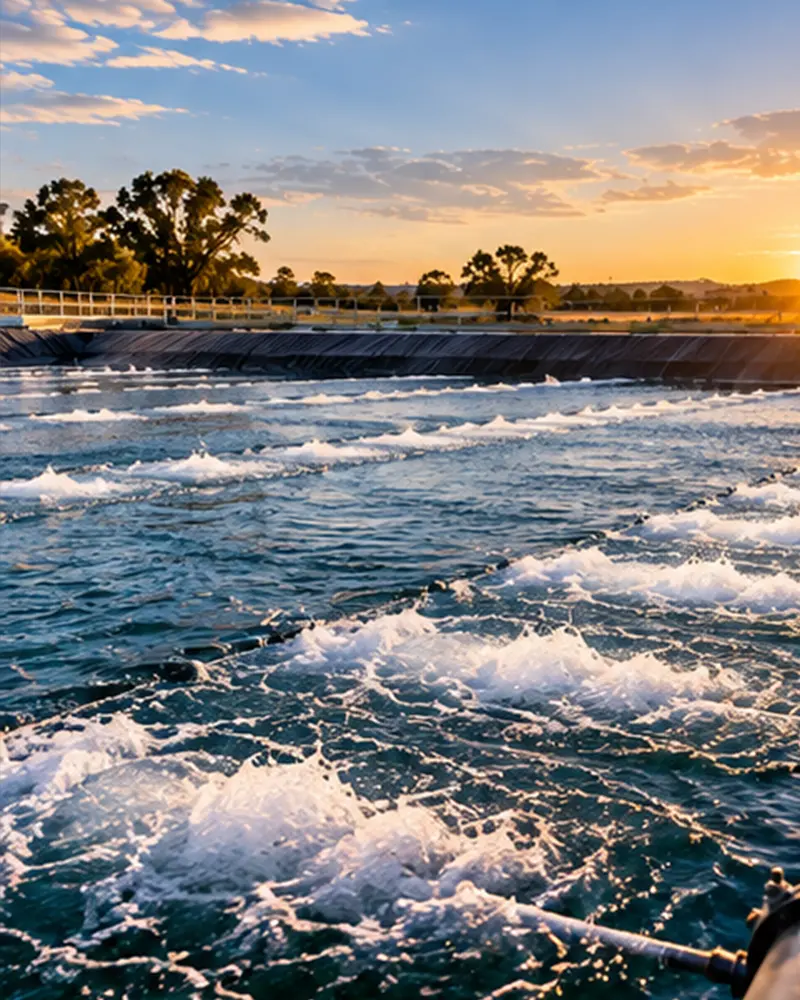
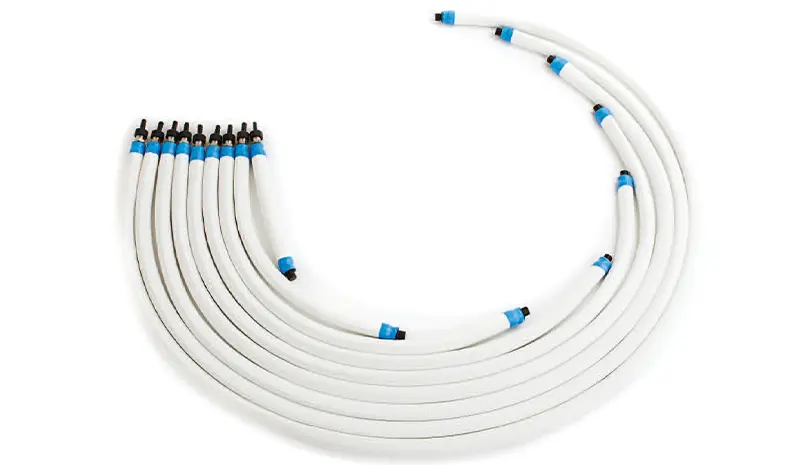
Solari Air Diffusers introduce fine bubbles throughout the water to support oxygen transfer, mixing and circulation. Different diffuser configurations can be applied within tanks, lagoons and other wastewater treatment environments according to the system and aeration requirements.
Filtration & Mixing Within
the Treatment Pathway
Wastewater treatment can require additional stages after aeration, oxygenation or upstream separation. Solari Water and Energy integrates mixing and filtration according to the wastewater characteristics, the processes already in place and the condition the water needs to reach before moving to its next stage.
Rather than treating these technologies as standalone solutions, each performs a specific role within the wider wastewater treatment train.

ZPM Static Mixer
Provides controlled in-line mixing where required within the wastewater treatment process. The ZPM can support coagulation and flocculation, improve the distribution of introduced treatment products and prepare the water for downstream filtration or treatment.

OV AFM Filtration
Provides a filtration and polishing stage for removing suspended material following upstream wastewater treatment. OV AFM can form part of the wider treatment train where further filtration is required before reuse, discharge or another treatment stage.
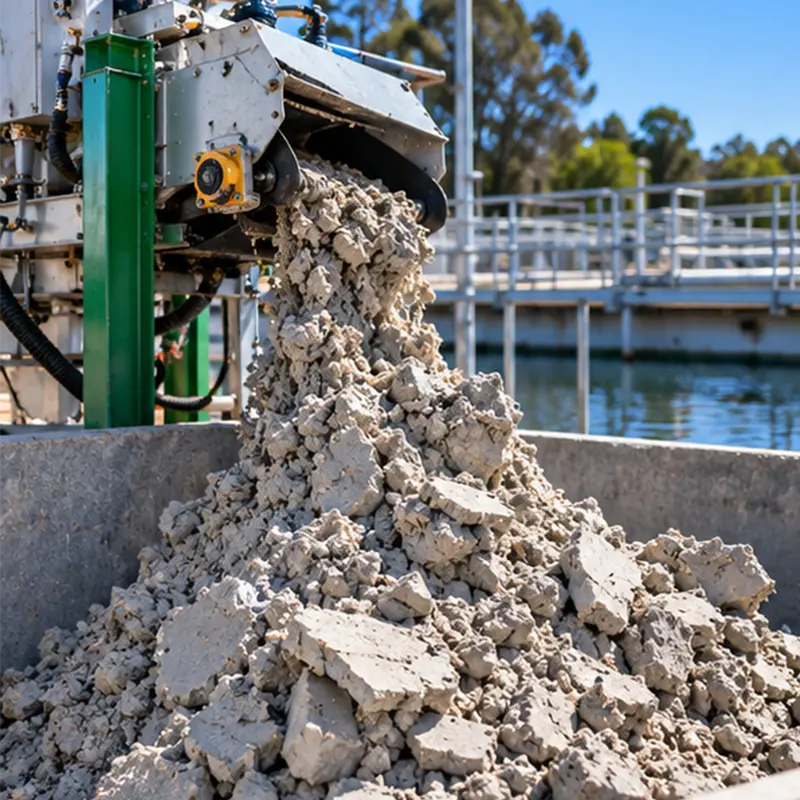
Sludge Dewatering
& Solids Separation
Z-Filter provides continuous mechanical dewatering for sludge, slurry and solids-bearing effluent. It separates liquid from solids, producing a concentrated filter cake for easier handling and a liquid filtrate for further treatment or management.
Z-Filter Dewatering System
Mechanical Sludge & Solids Separation
Z-Filter supports wastewater treatment where sludge reduction and solids handling are required. Its application depends on the characteristics of the incoming waste stream and the required treatment outcome.
Nanobubble Systems for Wastewater & Effluent
Solari Water and Energy offers nanobubble systems for different water volumes, treatment environments and oxygenation requirements. Within wastewater and effluent applications, the appropriate system depends on how the water is being managed, the required water movement and the role oxygenation needs to perform within the wider treatment process.

MiniGaLF

Submersible Ultrafine Bubble Generator
In-Water Oxygenation & Circulation
Designed to operate directly within tanks, ponds and other contained water environments, the submersible system circulates water while introducing ultrafine bubbles. This provides an option where oxygenation and water movement are required directly within the wastewater or effluent storage.

Nanobubble Pump Skid 737 / 747
Higher-Flow Nanobubble Oxygenation
Designed for applications requiring greater water movement and gas-transfer capacity, the 737 and 747 skid-mounted systems provide a practical nanobubble platform for higher-flow treatment systems where oxygenation forms part of the wider wastewater treatment pathway.
From Treatment to
What Happens Next
Wastewater treatment is ultimately shaped by what needs to happen to the water after treatment. Water moving into another process may require a different treatment pathway from water intended for reuse, discharge or ongoing management.
Treating Towards the Required Endpoint
Each treatment stage should move the water closer to the condition required for its next destination. Solids separation, aeration, oxygenation, mixing and filtration can each perform a different role, with the appropriate combination determined by the wastewater characteristics and the required endpoint.
Integrating the Treatment Stages
Rather than selecting technologies in isolation, Solari Water and Energy considers how each process needs to work with the stages before and after it. This allows the treatment pathway to be developed as an integrated system around the water itself.
Preparing Water for Its Next Stage
The final treatment requirement depends on where the water is going next. Understanding that destination from the outset helps determine whether further filtration, polishing or another treatment process is required before the water leaves the system.
Treat the Water for What Happens Next
Every wastewater and effluent stream has different characteristics, treatment requirements and a different destination. Solari Water and Energy works from the condition of the incoming water and the required endpoint to determine which treatment processes are appropriate and how they should work together. Whether the water requires further treatment, reuse, discharge or ongoing management, the treatment pathway starts with understanding what needs to happen next.