
Irrigation
Better Water for Productive Growing Systems
Irrigation water does more than deliver moisture. Its quality, dissolved oxygen and condition can influence the irrigation network, root-zone environment and the performance of the growing system it supports. Solari Water and Energy develops water-treatment and oxygenation approaches around the source water, irrigation system and production requirements.
Irrigation Water Is Part of the Production System
The effectiveness of irrigation depends on more than how much water reaches the crop. Source-water quality, dissolved oxygen, suspended material and conditions within storage and delivery systems can all influence the water ultimately reaching the root zone.
Solari Water and Energy approaches irrigation water as a managed production input — assessing the water and determining where treatment, filtration or oxygenation can support the wider irrigation system.
Understand the Source Water
Assess the condition of incoming and stored water before determining what treatment or conditioning is required for the irrigation system.
Support the Irrigation Network
Manage water quality with consideration for storage, filtration, delivery lines and the irrigation method being used across the wider production system.
Focus on the Root Zone
Consider the condition of the water reaching the crop and how irrigation water interacts with the biological growing environment.

Turning Irrigation Water Into an Oxygen Delivery System
Irrigation water can do more than carry water and nutrients to the crop. By increasing dissolved oxygen within the water supply, the irrigation system can also become a way of delivering oxygen directly towards the root zone.
Solari Water and Energy uses nanobubble technology to introduce very fine oxygen bubbles into irrigation water. These bubbles remain suspended in the water for longer than conventional larger bubbles, helping maintain dissolved oxygen as the water moves through storage and irrigation infrastructure.
Oxygen Where the Crop Needs It
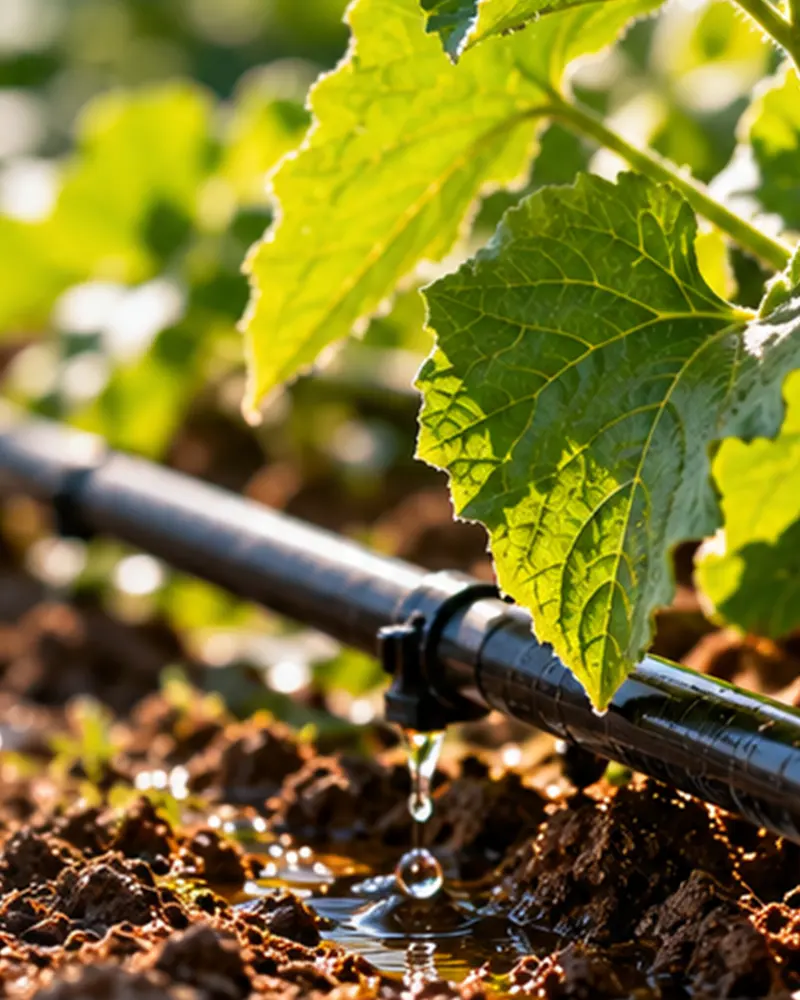
In drip and micro-irrigation systems, oxygenated water can be delivered through the existing irrigation network towards the root zone. This makes water oxygenation part of the wider growing system rather than a separate treatment process at the crop, allowing the same water used for irrigation to also carry dissolved oxygen through the production system.
From Storage to Irrigation
Nanobubble technology can also be applied to irrigation water held in tanks, reservoirs and channels before distribution. This allows the treatment approach to consider the condition of stored water as well as the water ultimately delivered to the crop, creating a more connected approach from water storage through to irrigation and the root zone.
Where Better Irrigation Water Matters
Different crops and growing systems place different demands on irrigation water. The way water is stored, treated and delivered can influence conditions throughout the irrigation network and at the root zone. Solari Water and Energy considers those conditions as part of the wider production system, with treatment and oxygenation selected around the water source, irrigation method and growing environment.
Drip & Micro Irrigation
Drip and micro-irrigation deliver water directly into the growing environment, making the condition of that water particularly important. Oxygenation can be integrated with the irrigation network so dissolved oxygen moves with the water towards the root zone, while appropriate treatment can address water-quality issues before distribution.
Orchards & Permanent Crops
Permanent crops such as citrus and almonds depend on irrigation infrastructure season after season. Solari’s supplied horticultural material considers the complete pathway from reservoirs, tanks and channels through to irrigation lines and the root zone, allowing water quality and oxygenation to be addressed as part of the production system.
Protected & High-Value Cropping
Greenhouses and other intensively managed growing environments rely on closely controlled irrigation. Solari’s supplied material documents nanobubble systems used with greenhouse irrigation water, while Doug specifically identifies nanobubble and filtration modules as relevant to protected-cropping and greenhouse systems.
Irrigation Evidence Across Commercial Growing
Research and field material supplied by Solari spans commercial horticulture, orchards and controlled growing environments, providing practical examples of how oxygenated irrigation water has been applied across different crops and production systems.
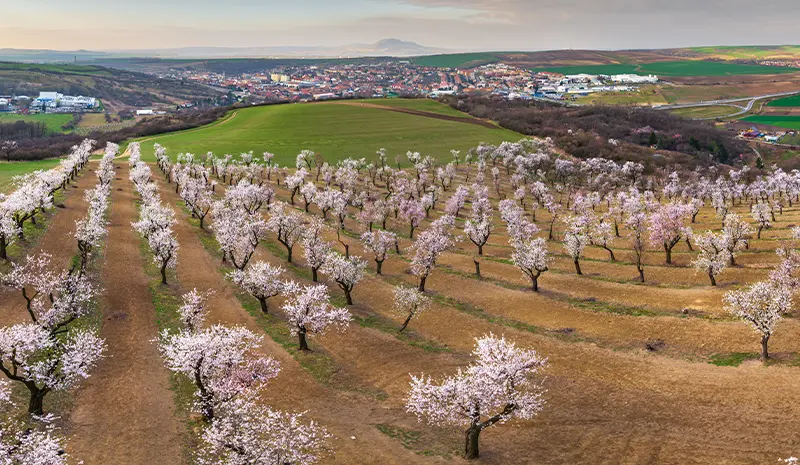
Almond Orchards
Oxygen-Enriched Irrigation for Permanent Crops
Field material explores the use of oxygen-enriched irrigation in almond production, with dissolved oxygen delivered through the irrigation water to support conditions within the root-zone environment.

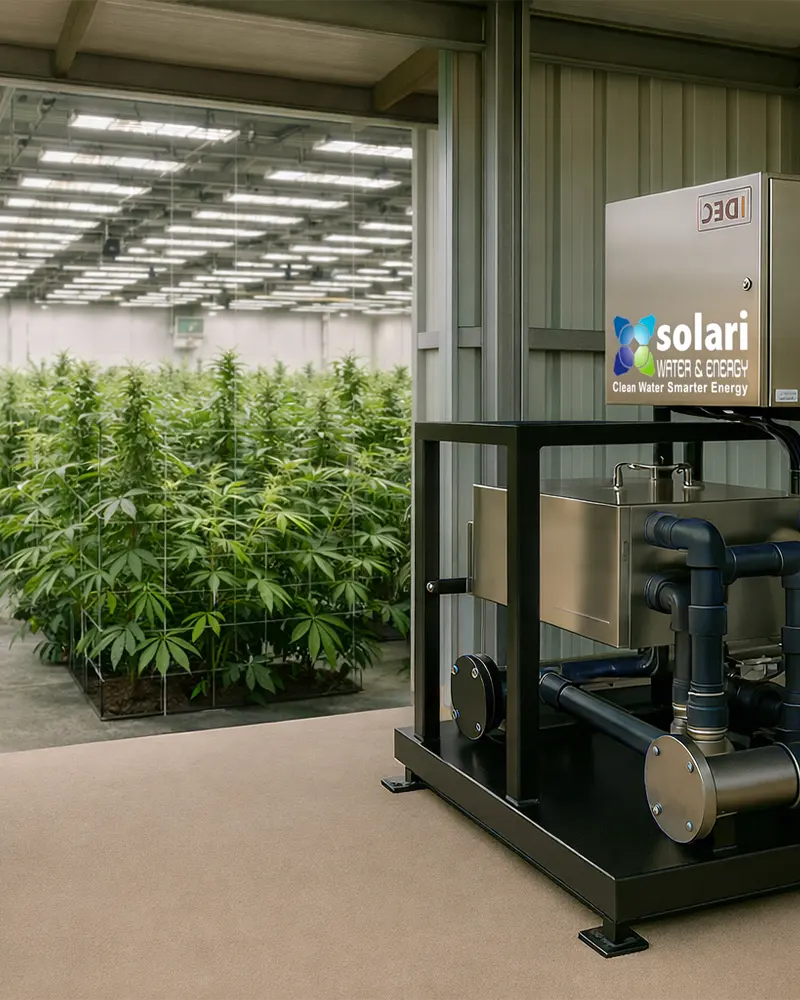
Medicinal Cannabis
Controlled Oxygen Delivery to the Root Zone
Solari’s supplied material explores oxygenated irrigation in intensive medicinal cannabis production, where water and dissolved oxygen are managed together as part of a closely controlled growing environment.

Mari’s Garden — Hawaii
Oxygenated Water in Commercial Growing
Commercial aquaponic lettuce production provides a practical example of nanobubble oxygenation being integrated with growing water, where increased dissolved oxygen was reported within an intensive horticultural production system.
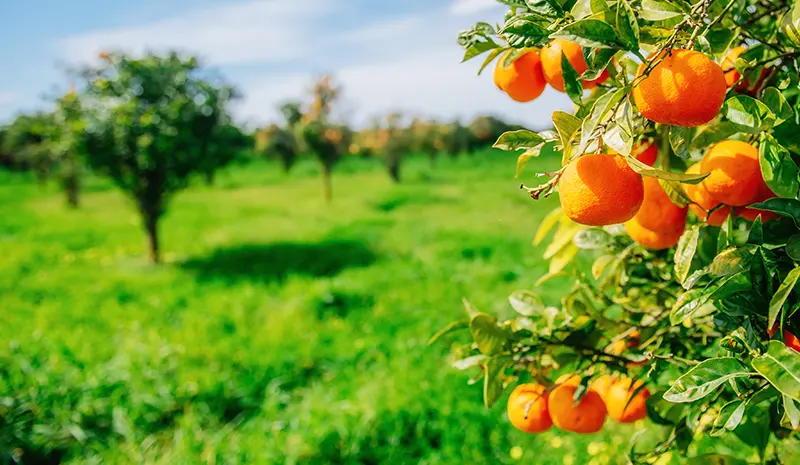
Citrus Orchards
Oxygenated Irrigation for Orchard Production
Solari’s citrus material explores nanobubble oxygenation within orchard irrigation, connecting water storage, irrigation delivery and dissolved oxygen with conditions experienced throughout the wider citrus growing system.
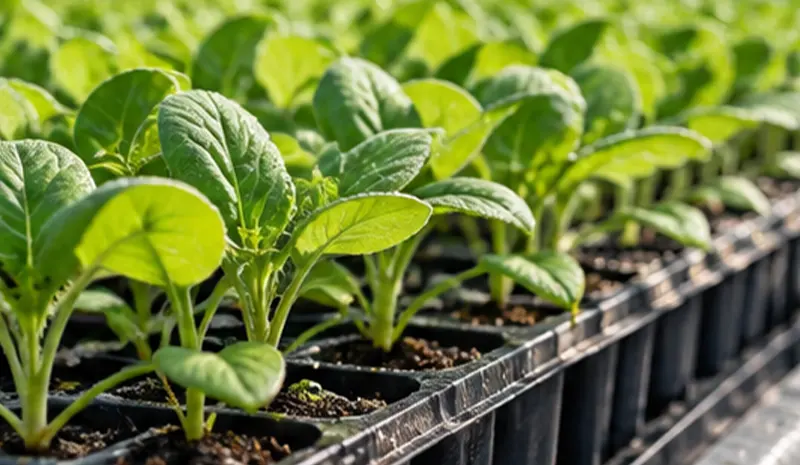
Young Plant Trials — Taiwan
Comparing Oxygenated and Conventional Irrigation
Commercial trials compared nanobubble-treated irrigation water with conventional water during early plant growth, providing useful evidence of how oxygenated irrigation has been investigated in young plants.
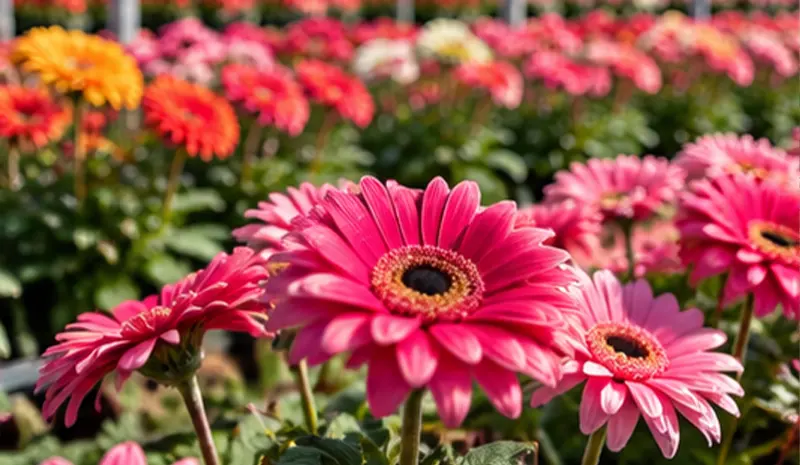
Flower Growers — Japan
Nanobubbles in Greenhouse Irrigation
Flower-growing trials provide an example of nanobubble oxygenation being incorporated into greenhouse irrigation, with the approach subsequently extended across additional growing areas and flower varieties.
Technologies Supporting Better Irrigation Water
Solari Water and Energy integrates water-treatment technologies according to the source water, irrigation system and production requirements. For irrigation applications, oxygenation and filtration can perform different but complementary roles — improving the condition of the water before and as it moves through the growing system.

MiniGaLF

Submersible Ultrafine Bubble Generator
Oxygenation Within Stored Irrigation Water
Designed to operate directly within tanks, ponds and other water storage, the submersible system circulates water while introducing ultrafine bubbles. This makes it particularly relevant where irrigation water is conditioned before being distributed to the crop.

Nanobubble Pump Skid 737 / 747
Higher-Flow Oxygenation for Irrigation
Designed for applications requiring greater water movement and gas-transfer capacity, the 737 and 747 skid-mounted systems provide a practical nanobubble platform for larger irrigation and production-water systems.
Preparing Irrigation Water Before Distribution
Oxygenation is one part of managing irrigation water. Where source water also carries suspended material or requires filtration, treatment may need to begin before the water enters the irrigation network. OV AFM filtration can provide this upstream treatment stage, preparing the water for subsequent conditioning and distribution through the irrigation system.

OV AFM Filtration
Preparing Source Water for Irrigation
Where irrigation source water requires filtration, OV AFM can form part of the treatment approach before distribution. Its role is to manage suspended material and prepare the water for downstream irrigation and water-conditioning processes.
Water, Treatment and Energy Working Together
An irrigation system depends on more than the quality of the water alone. Water needs to be stored, treated, pumped and distributed through infrastructure that can reliably support the requirements of the crop and the wider production system.
Solari Water and Energy considers these elements together. Water quality helps determine whether filtration, oxygenation or other treatment is required, while the irrigation layout, storage and pumping requirements influence how those treatment processes are integrated into the system.
Supporting Irrigation With Solar Energy
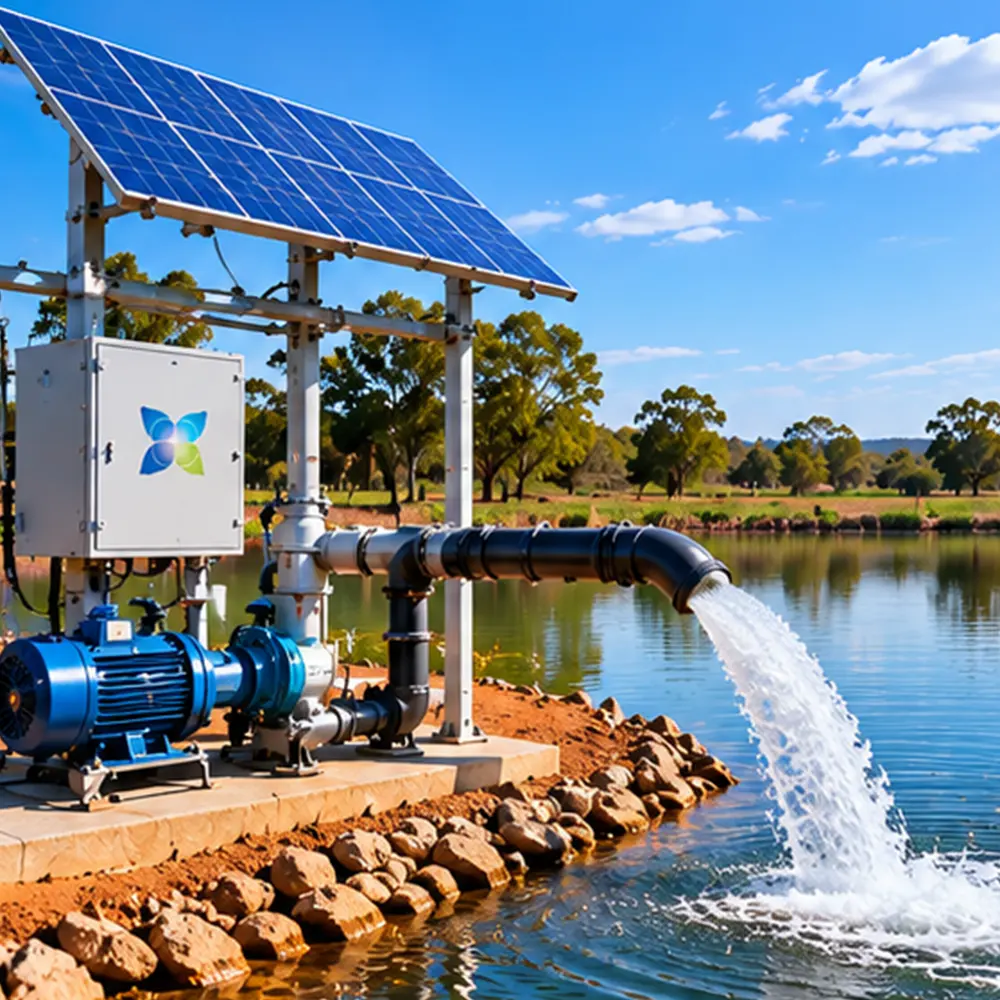
Where appropriate, solar energy can support the pumping and movement of water across agricultural and remote properties. Rather than treating solar as a standalone solution, Solari considers how energy infrastructure can support the water system it serves including pumping, treatment and distribution requirements.
This is particularly relevant where water needs to be moved from dams, tanks or other storage to irrigation infrastructure, or where access to conventional power presents an operational constraint.
Designed Around the Complete Water Pathway
The right approach depends on the source water, storage infrastructure, irrigation method, crop requirements and the way water needs to move through the property. By considering water treatment, pumping and supporting energy requirements together, Solari Water and Energy can develop an integrated approach from the water source through to the irrigation network and ultimately the crop.
Better Irrigation Starts With Better Water
Understanding the water is the first step towards determining the right treatment approach. Solari Water and Energy can assess the source water, irrigation system and production requirements to determine where filtration, oxygenation or other treatment processes may fit.