
Drinking Water
Reliable Water Starts With the Right Treatment
Solari Water and Energy designs water treatment around the source water, its condition and the quality required for its intended use. From variable river and dam water to other challenging supplies, the treatment approach can combine conditioning, filtration, mixing and other appropriate processes to produce reliable drinking water.
Drinking Water Starts With the Source
The quality and characteristics of source water determine what treatment is required. Rivers, dams, reservoirs and other supplies can present very different conditions, with water quality also changing through seasons, rainfall events and periods of low flow.
Solari Water and Energy considers the incoming water first, then develops the treatment approach around the conditions present and the drinking-water outcome required.
Understand the Source Water
Assess the characteristics of the incoming water and the issues that need to be addressed before selecting the treatment process.
Build the Right Treatment Train
Combine the appropriate treatment stages rather than relying on a single technology to manage every water-quality challenge.
Design for the Required Outcome
Integrate treatment around the source conditions, system requirements and the quality required from the finished water.
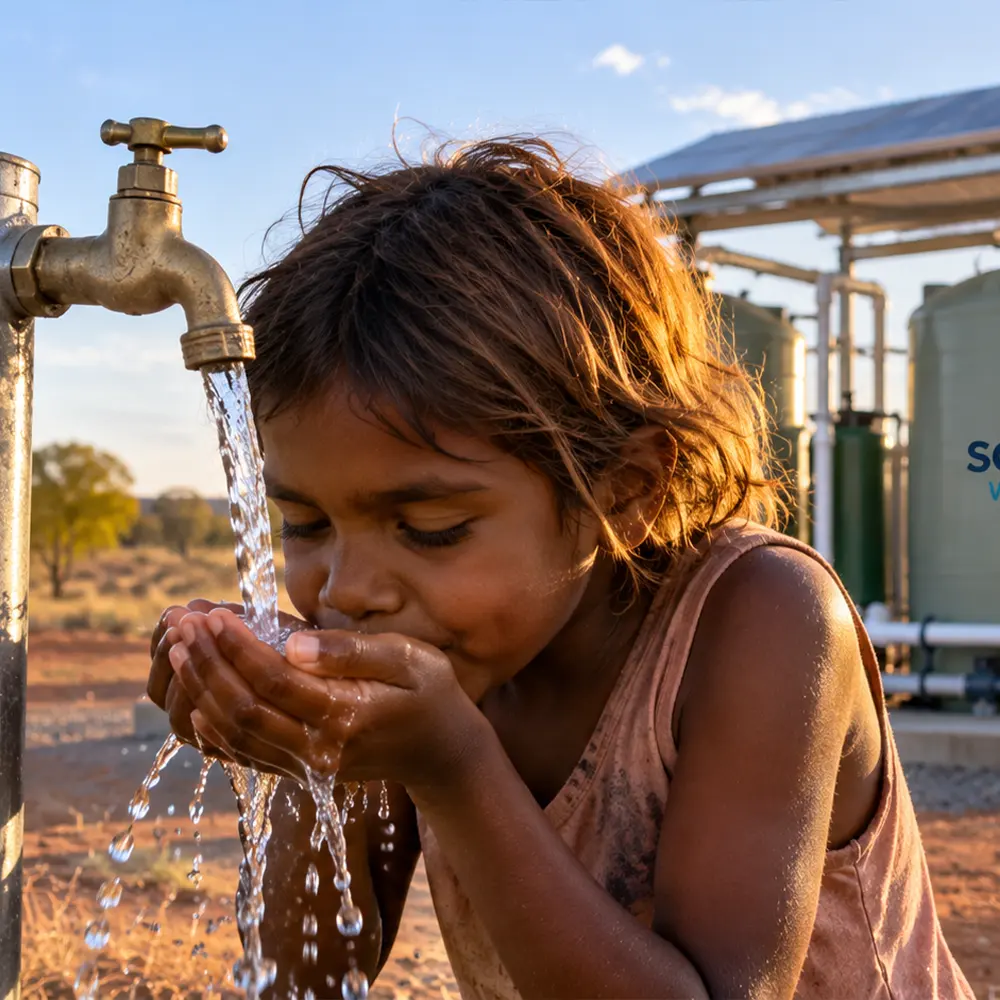
From Variable Source Water to Reliable Treatment
Drinking-water treatment is rarely about one process or one piece of equipment. The condition of the incoming water determines what needs to happen before it can move reliably through the treatment system.
Suspended material, turbidity and changing source-water conditions can all influence the treatment approach. Solari Water and Energy brings the required stages together as a treatment train, with each process preparing the water for what comes next.
Treat the Water in Stages
Pre-treatment can address larger material and difficult source-water conditions before finer filtration. Filtration then removes suspended material, while mixing and conditioning can support processes such as coagulation, flocculation and the introduction of treatment products.
Make Each Stage Work With the Next
The objective is not simply to add more treatment. It is to select and integrate the stages required for the particular water source so that the complete system works together towards the required drinking-water quality. Each stage has a specific role, whether preparing the incoming water, improving particle interaction, removing suspended material or supporting subsequent treatment processes. By considering how these stages interact, the treatment train can be designed so that one process prepares the water effectively for the next, creating a more considered and integrated approach from source water through to the finished supply.
Drinking Water Across Different Applications
Drinking-water requirements extend beyond town water supplies. Source conditions, water demand and treatment requirements can vary considerably between municipal, rural and production environments, making it important to design treatment around how the water will ultimately be used.
Municipal & Community Water
Treatment of river, dam and other source water for community drinking-water supplies, with the treatment train selected around incoming water conditions and required finished-water quality.
Rural & Remote Water Supplies
Treatment approaches for locations where source-water quality, infrastructure and operating conditions can present additional challenges.
Livestock Drinking Water
Treatment can be selected around the particular source-water issues and drinking-water system rather than treating all agricultural water in the same way.
Drinking Water Treatment in Practice
Solari Water and Energy has applied integrated treatment to municipal drinking-water projects where source-water conditions and operational requirements demanded more than a single treatment stage. The Isisford project in Central West Queensland provides a practical example of filtration, pre-treatment and treatment integration working together as a complete drinking-water system.
Municipal Drinking Water
– Isisford, Queensland
Longreach Regional Council required an upgrade to the Isisford town drinking-water system, replacing an ageing sand filtration system. The supply could be drawn from either the Barcoo River or Council dam, with source water turbidity varying according to environmental conditions.
The treatment system incorporated primary pre-filtration followed by OV AFM filtration, with twin process lines providing redundancy. Following filtration, the water was chlorinated, with the chlorination process incorporated through a ZPM. The system was designed for a flow rate of 5–6 litres per second.
Independent water testing was undertaken by a NATA-accredited laboratory, with the supplied project documentation reporting that tested water was within the Australian Drinking Water Guidelines.
A Complete Treatment Train at Isisford
River or Dam Water → Pre-Filtration → OV AFM Filtration → ZPM / Chlorination → Finished Drinking Water

Isisford, Queensland,
Municipal Water Treatment
At Isisford in Central West Queensland, Solari OV AFM filtration was installed at the town’s water treatment plant, replacing an older sand filtration system. The installation combined primary filtration with two OV AFM 700-series units for downstream polishing.
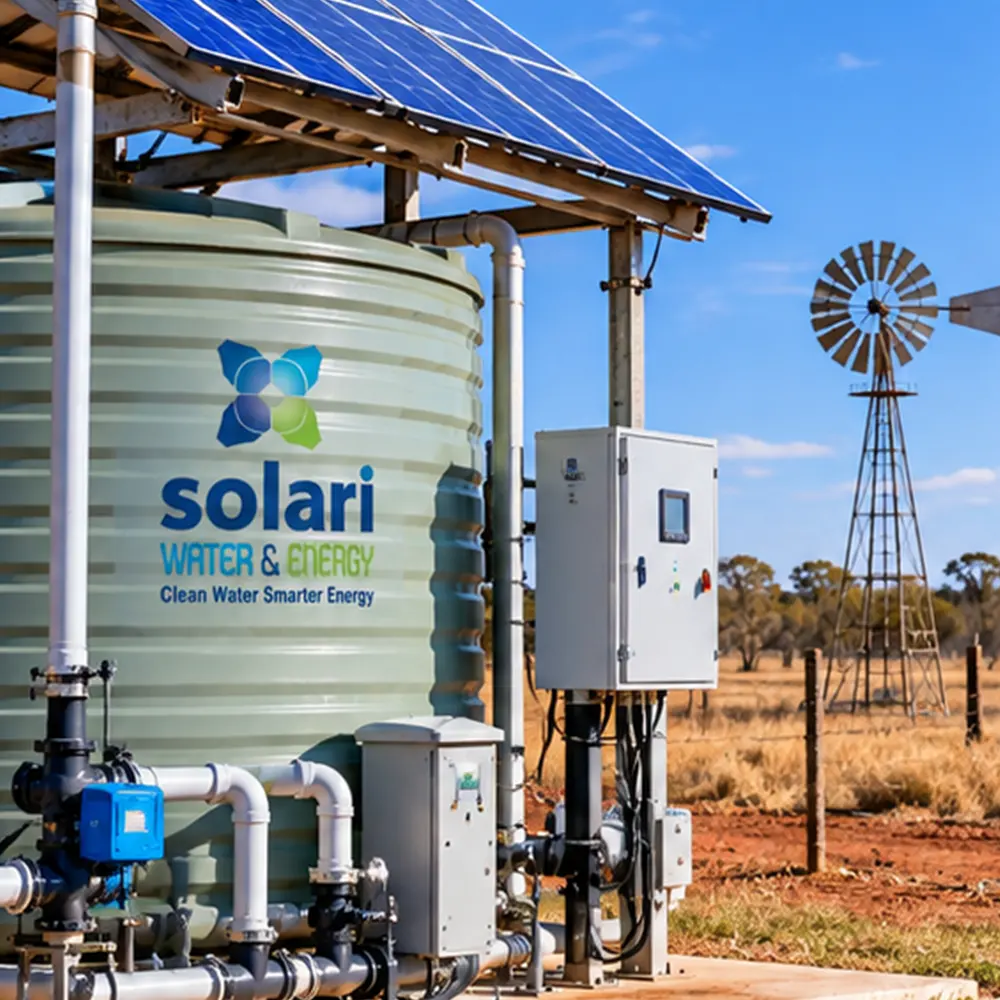
Improving Water Before
Filtration Begins
Not every drinking-water challenge begins at the filter. Where water is drawn from dams, reservoirs or other open sources, conditions within the source water itself can influence the treatment required downstream.
Aeration and mixing can form part of the pre-treatment approach where source-water conditions warrant it, helping manage the water before it enters subsequent filtration and treatment stages.
Managing the Source Water
Depending on the conditions present, aeration can be used to introduce oxygen and promote mixing within stored or source water. Solari’s supplied technical material identifies applications including reservoir destratification and the oxidation of iron and manganese.
Treatment Starts Before the Filter
Considering source-water conditions before filtration helps determine what the downstream treatment stages will need to manage and how those stages should be configured. Where appropriate, processes such as aeration, mixing or oxidation can form part of this upstream treatment approach.
The result is a treatment approach designed as a connected sequence, rather than relying on filtration alone to manage every incoming water-quality challenge.
Technologies Working Together for Drinking Water
Producing drinking water from variable source water can require several treatment processes working together. Solari Water and Energy selects and integrates technologies according to the incoming water conditions, the treatment stages required and the quality expected from the finished water.
Rather than treating one technology as the complete solution, each component performs a particular role within the wider treatment train.

ZPM Static Mixer
Provides controlled in-line mixing where required within the treatment process. The ZPM can support coagulation and flocculation, improve the distribution of introduced treatment products and prepare water for downstream filtration or treatment.

OV AFM Filtration
Provides the filtration stage for removing suspended material and polishing water as part of the treatment train. At Isisford, OV AFM filtration followed primary pre-filtration before the water moved into the subsequent treatment stage.
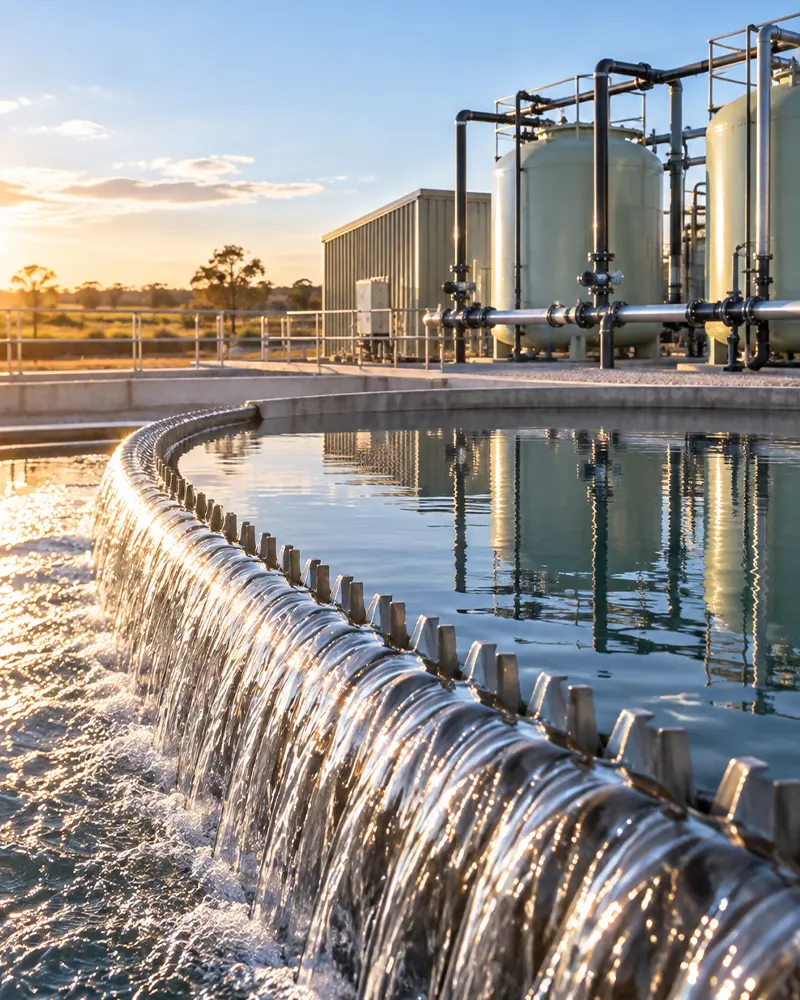
Better Drinking Water Starts With Understanding the Water
Every drinking-water project begins with different source conditions, treatment requirements and operational demands. Solari Water and Energy assesses the water and the required outcome before determining how the appropriate treatment processes should work together.