
Water Quality Improvement
Address the Conditions Affecting Your Water
Algae, iron, odour, biofilm and low dissolved oxygen can affect water quality across dams, reservoirs, treatment systems and production-water applications. Solari Water and Energy develops targeted treatment approaches around the specific water-quality issue, the water source and how that water needs to be used.
Different Water Quality Problems
Need Different Responses
What’s in the Water?
Iron, suspended material and other unwanted constituents can affect water quality and downstream treatment requirements. Understanding what is present in the water helps determine whether removal, filtration or another treatment process should form part of the overall treatment approach.
What’s Happening in the Water?
Algae, low dissolved oxygen, odour and biofilm can develop as conditions within the water change. Understanding water movement, oxygen conditions and the surrounding environment helps determine whether aeration, oxygenation or another treatment process is appropriate.
Water quality needs to be considered in relation to how the water will ultimately be used. Understanding the required outcome helps determine the appropriate treatment pathway and the condition the water needs to reach before moving to its next stage.
Water Quality Can
Change Over Time
Water does not remain in a fixed condition. As it moves through dams, reservoirs, tanks, pipelines and treatment systems, its quality can change in response to biological activity, oxygen availability, circulation, temperature and the characteristics of the source water.
Conditions Within the Water Matter
Low dissolved oxygen, limited circulation and changing biological conditions can contribute to problems such as algae, odour and biofilm. In other situations, naturally occurring constituents such as iron may require specific treatment before the water is suitable for its intended use.
Treat the Cause, Not Just the Symptom
Understanding how and where the water quality is changing helps determine the appropriate treatment response. Depending on the problem, this may involve filtration, aeration, oxygenation, mixing or a combination of processes working at different points within the water system.
Treatment Depends on the Required Outcome
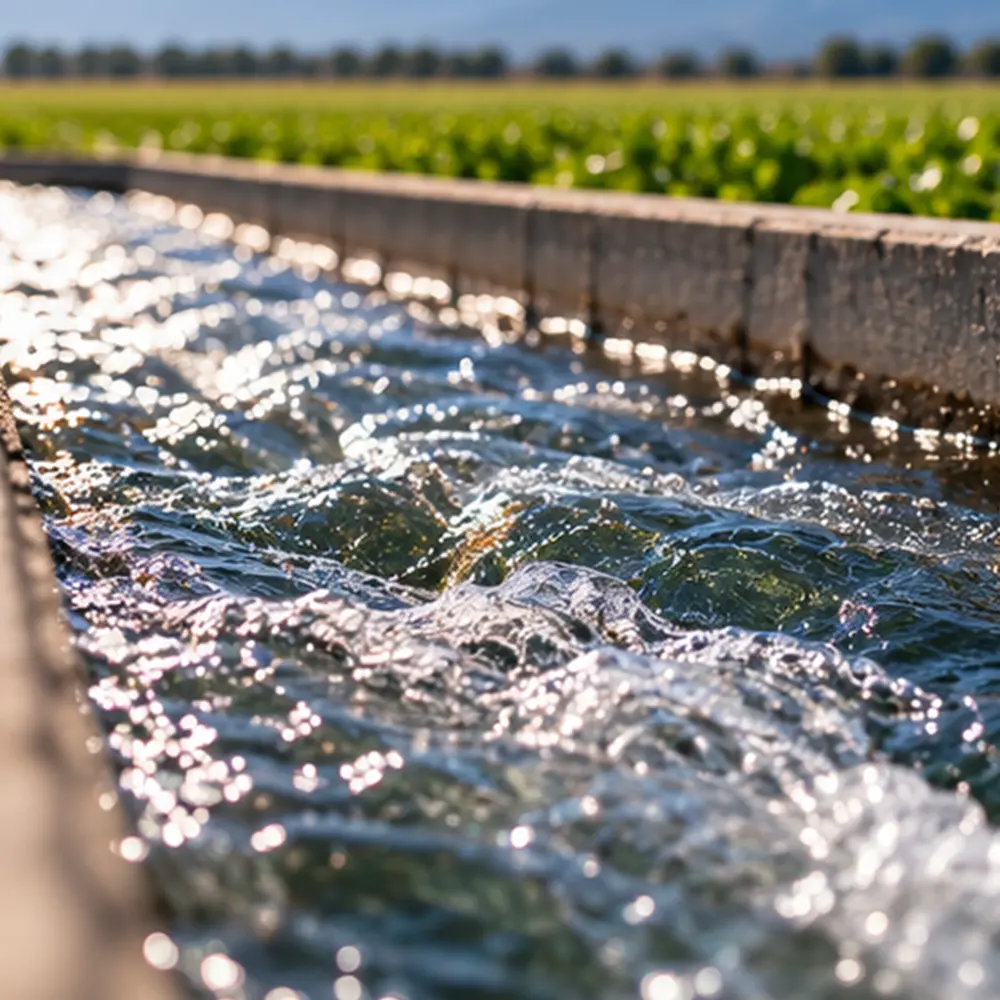
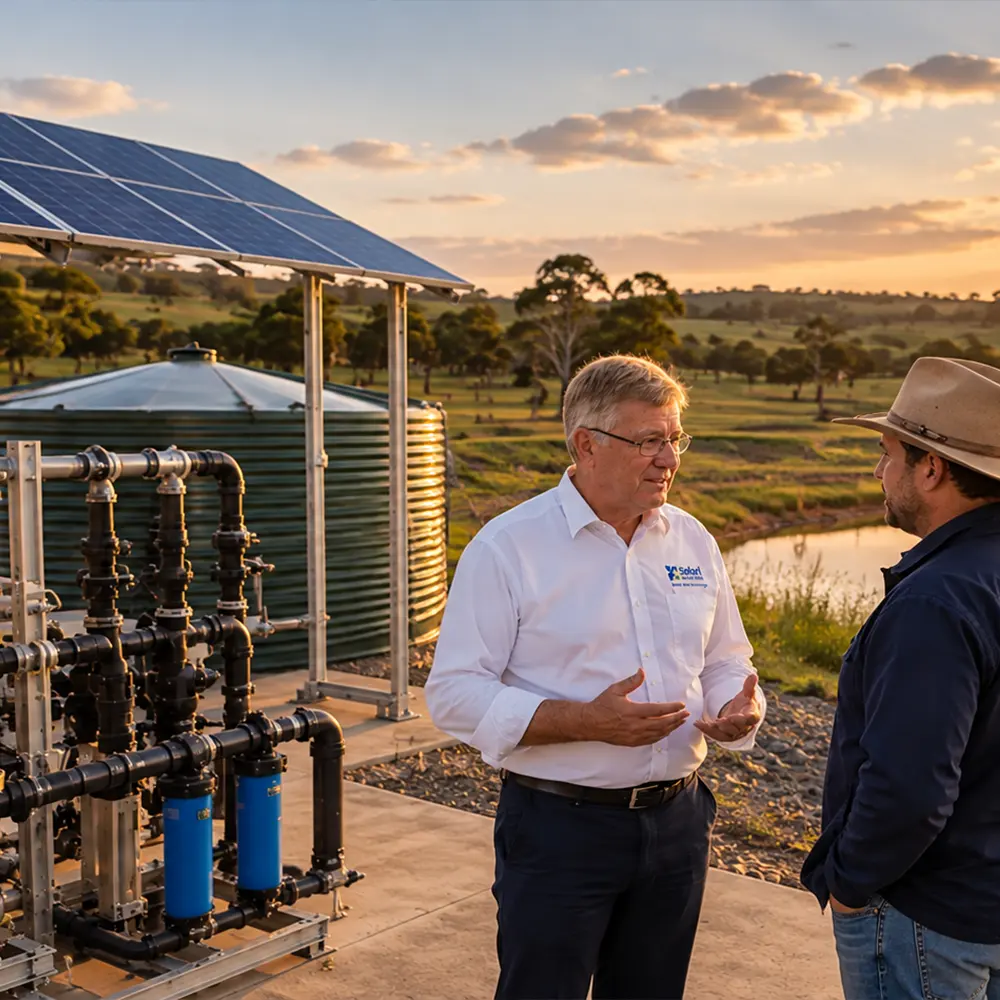
Water Quality Problems Across Different Systems
The conditions affecting water quality can develop in very different environments. A dam or reservoir behaves differently from a treatment tank, irrigation system or process-water circuit, and those differences influence how water-quality problems develop and where treatment can be applied.
Dams, Reservoirs & Stored Water
Larger water bodies can experience changing dissolved oxygen, circulation and biological conditions over time. Understanding how water moves and behaves within the storage helps determine whether aeration, oxygenation or another treatment approach is appropriate.
Treatment & Distribution Systems
Water quality can continue to change after it leaves the source. Tanks, pipelines and treatment systems can introduce different operating conditions, making it important to consider the complete pathway rather than treating the source water in isolation.
Production & Process Water
Agriculture, irrigation and industrial applications can place different requirements on water quality. Treatment therefore needs to consider both the condition of the incoming water and what that water must achieve within the production or process system.
Water Quality
Improvement in Practice
Solari’s supplied project material demonstrates water-quality treatment across very different environments, from large water bodies and raw-water sources to drinking-water and industrial treatment systems. Each project reflects a different combination of water conditions, treatment requirements and technologies applied to achieve the required outcome.
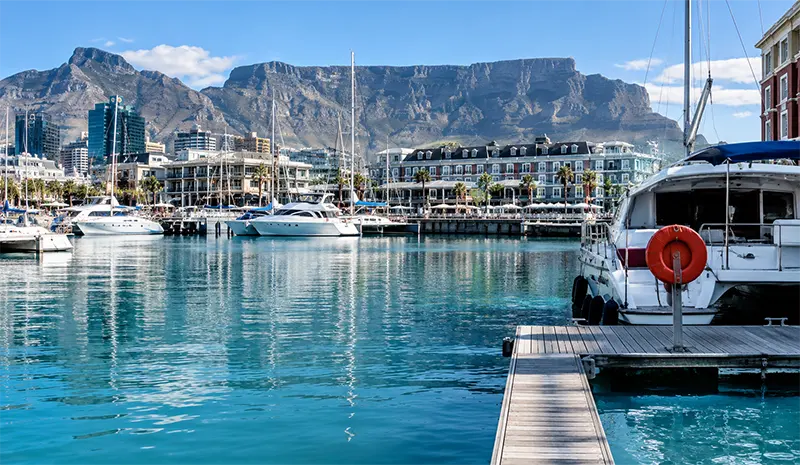
V&A Waterfront — Cape Town
Aeration for a Large Water Basin
Poor water quality and low dissolved oxygen within the V&A Waterfront yacht basin required an approach capable of working across a large body of water. Fine-bubble air diffusers were distributed throughout the basin to introduce aeration and support oxygen transfer and water movement.
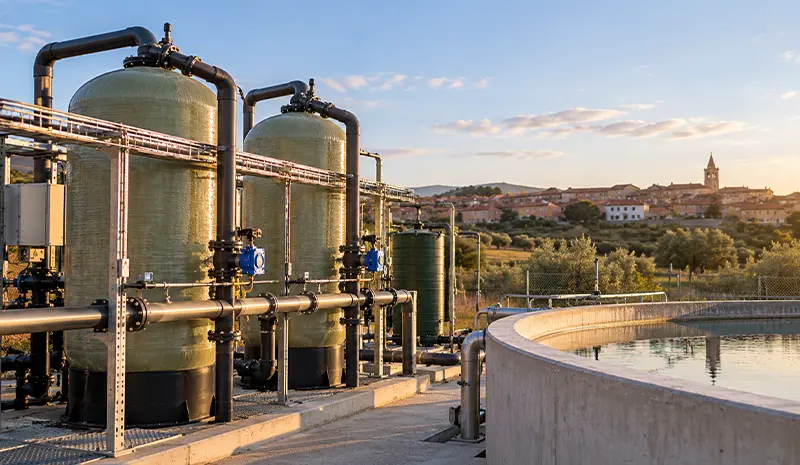
Herreruela — Spain
Iron & Arsenic in Source Water
Groundwater from tube wells serving Herreruela and Carcaboso presented water-quality challenges associated with iron and arsenic. These naturally occurring constituents within the source water require targeted treatment before the water moves through the wider treatment pathway.

Boggabilla / Macintyre River — NSW
Raw-Water Aeration at the Source
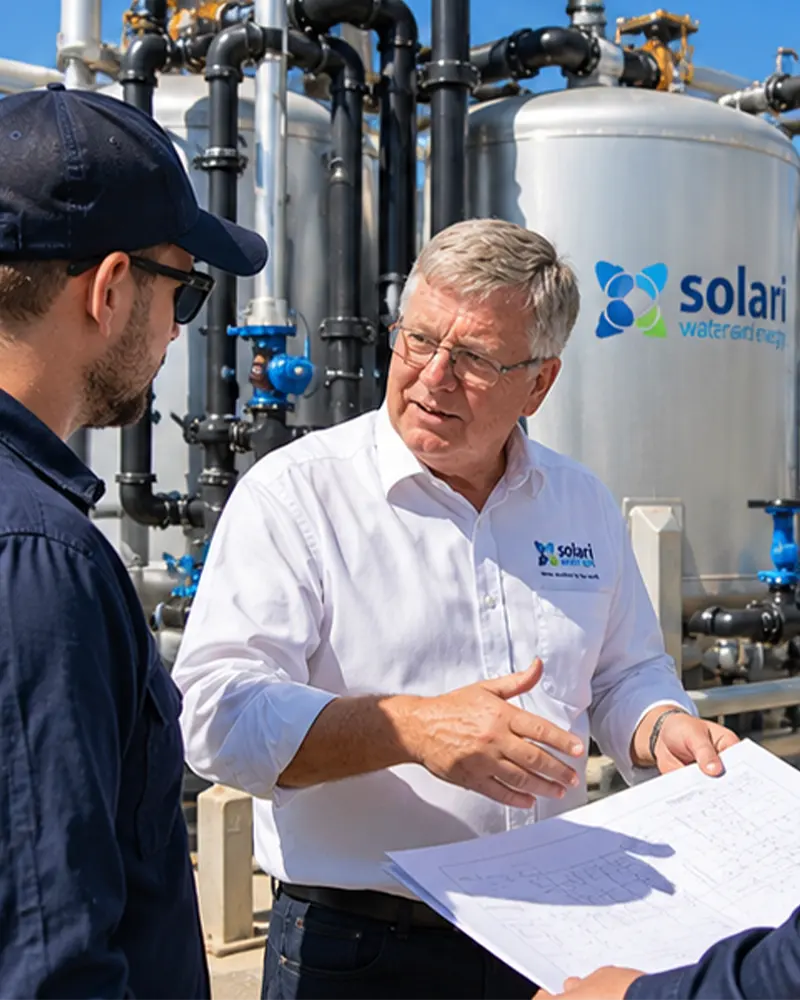
Raw-water aeration was incorporated at the Macintyre River source before the water moved into downstream treatment. The project demonstrates how water-quality improvement can begin at the source, with aeration forming part of the wider treatment pathway.

Isisford WTP — Queensland
Drinking-Water Treatment
At Isisford, multiple treatments were brought together to address the requirements of the incoming source water. The project demonstrates how water-quality improvement can involve several processes working together rather than relying on a single treatment technology.

Eskdale — United Kingdom
Filtration for Drinking-Water Quality
The Eskdale project demonstrates the role filtration can perform. AFM filtration was applied as part of the treatment process, showing how filtration can support water-quality improvement where suspended material and filtration performance are important.
Oil Wastewater — China
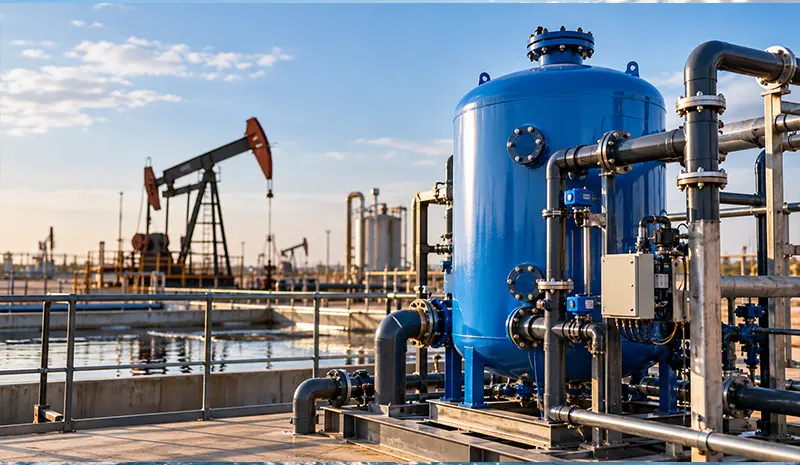
Filtration of Oil-Contaminated Water
OV AFM filtration across several oil-wastewater applications in China. The projects demonstrate how filtration can form part of a wider treatment pathway where contaminated water requires further treatment before reuse, reinjection or its next stage.
Technologies Supporting Water Quality Improvement
Aeration & Oxygenation
for Water Quality
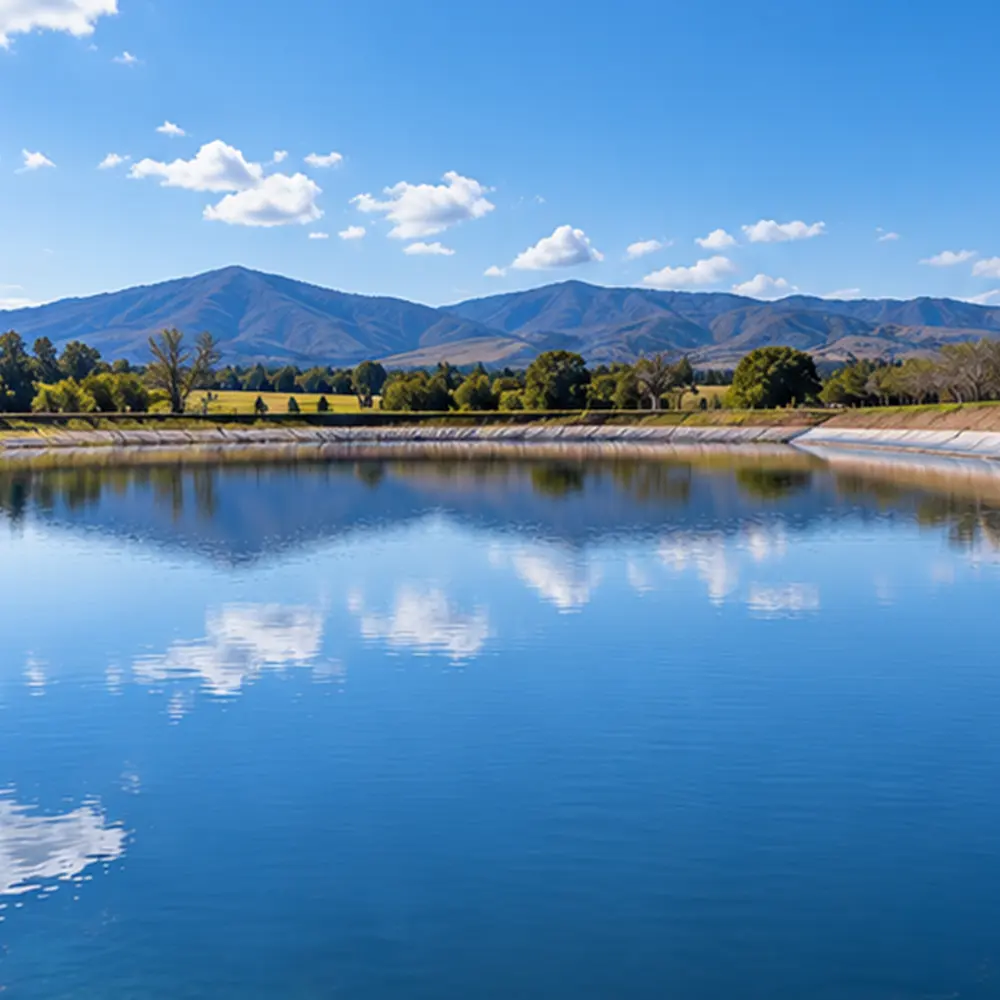
Where dissolved oxygen, circulation and conditions within stored water need to be addressed, aeration and oxygenation can form part of the treatment approach. The appropriate technology depends on the water body, system configuration and the role it needs to perform.
Solari Air Diffusers
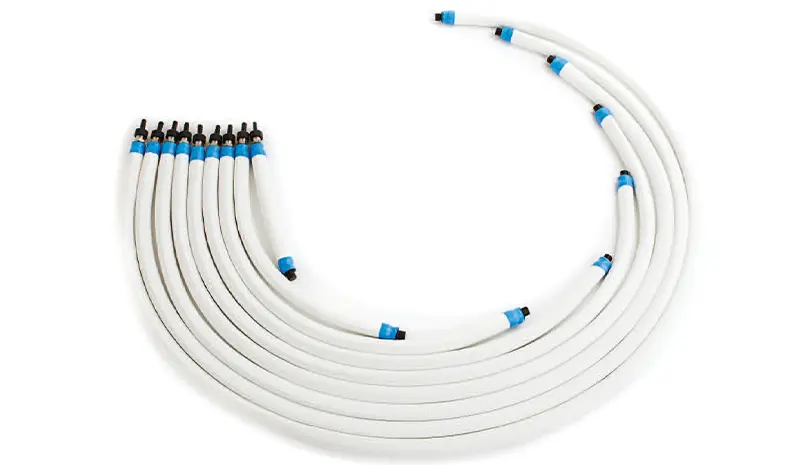
Fine-Bubble Aeration for Water Quality Improvement
Solari Air Diffusers introduce fine bubbles throughout the water to support oxygen transfer, circulation and mixing. They can be applied within dams, reservoirs, tanks and other water bodies where dissolved oxygen and water movement form part of the broader water-quality management approach.
Nanobubble Systems for Water Quality Improvement

MiniGaLF

Submersible Ultrafine Bubble Generator
In-Water Oxygenation & Circulation
Designed to operate directly within tanks, ponds and other contained water environments, the submersible system circulates water while introducing ultrafine bubbles. This makes it suitable where oxygenation and water movement are required within the water body.

Nanobubble Pump Skid 737 / 747
Higher-Flow Nanobubble Oxygenation
The 737 and 747 skid-mounted systems provide greater water movement and gas-transfer capacity for higher-flow applications. They provide a scalable nanobubble platform where oxygenation and circulation form part of the broader water-quality treatment approach.

O₃Nanobubble Treatment
Ozone as Part of the Water Treatment Pathway
Where ozone is selected as part of the treatment process, nanobubble technology provides a method of introducing and mixing the gas within the water. Combining ozone generation with ultrafine bubble mixing allows the two technologies to operate as an integrated treatment stage within the wider water-quality approach.
The appropriate application depends on the characteristics of the incoming water, the water-quality issue being addressed and the required treatment outcome. This keeps ozone positioned as one component within a considered treatment pathway rather than as a standalone solution.

Solari O₃ Nanobubble Systems — 828 / 838
Solari O₃ Nanobubble Systems combine ozone generation with nanobubble mixing in an integrated configuration. The systems provide an option for water-treatment applications where ozone has been selected as an appropriate part of the wider treatment process.
Filtration & Mixing Within
the Treatment Pathway
Wastewater treatment can require additional stages after aeration, oxygenation or upstream separation. Solari Water and Energy integrates mixing and filtration according to the wastewater characteristics, the processes already in place and the condition the water needs to reach before moving to its next stage.
Rather than treating these technologies as standalone solutions, each performs a specific role within the wider wastewater treatment train.

ZPM Static Mixer
Controlled Mixing Within the Treatment Pathway
Provides controlled in-line mixing where required within the water-treatment process. The ZPM can support coagulation and flocculation, improve the distribution of introduced treatment products and prepare water for downstream filtration or further treatment.

OV AFM Filtration
Filtration & Polishing for Improved Water Quality
Provides a filtration and polishing stage where suspended material and other filterable contaminants need to be addressed. OV AFM can form part of a wider treatment pathway where improved water condition is required before use or the next stage.

Improving Water as
Part of the Wider System
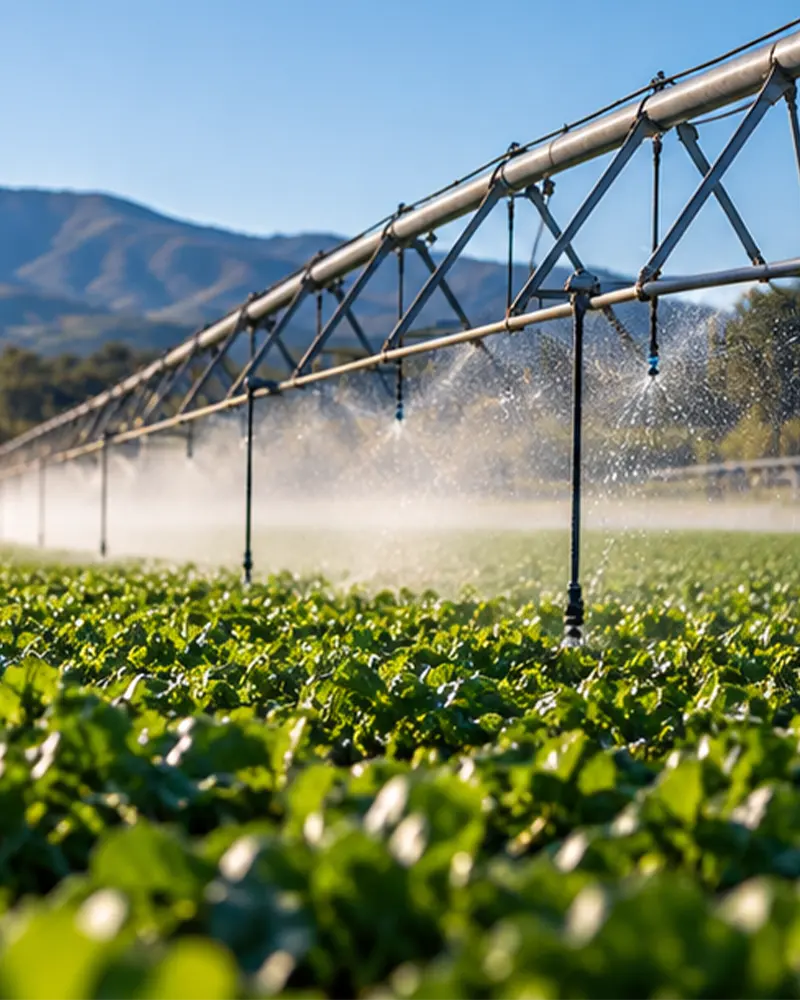
Water-quality improvement rarely exists in isolation. Treatment may begin at the source, occur within a dam or storage system, or form one stage within a larger treatment pathway. The appropriate approach depends on what is affecting the water, where the issue is developing and what needs to happen to the water next.
Start With the Water
Understanding the source water and the conditions influencing it provides the foundation for treatment selection. This helps identify whether the priority is filtration, oxygenation, aeration, mixing or another treatment process.
Apply Treatment Where It Matters
Different technologies can perform different roles at different points within the system. Treatment may be applied directly within the water body, incorporated into a circulating water stream or positioned before another downstream process.
Build Around the Required Outcome
The objective is not to add technology for its own sake, but to develop a treatment pathway around the water and its intended use. This is central to Solari Water and Energy’s Precision Production Water approach — bringing appropriate treatment processes together as an integrated system.
Support the System With the Right Energy
Where appropriate, solar energy can support the pumping and water-treatment infrastructure required to operate in rural or remote locations. This allows water treatment and its supporting energy requirements to be considered together rather than as separate systems.
Improve the Water. Strengthen the System.
Whether the challenge is changing water conditions, unwanted constituents, low dissolved oxygen or the quality required for the next stage, the right treatment approach starts with understanding the water. Talk to Solari Water and Energy about your water-quality requirements and the treatment options available for your application.